
A New Year, two worlds
It’s December 31, 2025 in the Netherlands. Outside, the roads are slick with frost and the night has already settled in. Inside, the television glows softly
in the corner of the room. On the screen, it’s already January 1.
Sydney is celebrating. Fireworks burst above the Harbour Bridge in arcs of gold and white. The Opera House lights up in shifting colours. Parks and beaches are crowded with people watching the sky, sitting on blankets,
sharing drinks in the warm Australian night. It feels familiar and impossibly
far away at the same time.
Every now and then Australia passes through my mind like this. A sudden flash, a brief moment of recognition. Sometimes it happens without warning. Sometimes a song, a photograph or a fragment on television opens a small door in memory. Tonight, the door swings wide. Because Australia doesn’t just live
in places for me. It lives in moments. In light, in landscapes and in music.
And suddenly I’m back in 1999.
The end of a long Journey
October 1999. I’m nearing the end of a twelve-month backpacking journey across Australia. A year that began with a one-way ticket and no real plan
has slowly turned into something much bigger.
Australia stretches endlessly in every direction: red deserts, rainforest humming with insects, coastal roads that seem to follow the ocean forever. Cities buzz with energy, but it’s the spaces in between that stay with you. Long distances. Wide skies. Silence broken only by wind or waves. It’s a country that makes
the world feel larger. But it’s also a place with a certain atmosphere that is difficult to explain to people who haven’t been there. Something relaxed. Something open. As if life moves just a little more slowly.
By the time October arrives, I know the journey is almost over. The realisation comes quietly, not all at once. A conversation about flights home. A calendar page turning. The strange thing about long journeys is that they begin to feel permanent. Until suddenly they aren’t.

The soundtrack of a journey
Music becomes the soundtrack of those final weeks. Some songs stick to places. Others attach themselves to moments. For me, one song begins to follow me everywhere during those last days in Australia. These Days by the Brisbane band Powderfinger. I remember sitting on a surfboard, drifting just beyond the break, waiting for the next wave. The ocean rises and falls beneath me, slow and steady. In my head I hear the opening lines: These days I don’t know if I’m coming or going. The words capture something I can’t quite explain. Part of
me wants the journey to continue forever. Another part already knows it won’t.
It’s a strange emotional space to occupy: grateful for what you’ve experienced, but aware that it’s slipping into the past even as it happens. The song seems to understand that feeling perfectly.
A night in Cairns
Months earlier, I had seen Powderfinger live for the first time. The concert
took place in a nightclub in Cairns called Playpen. One of those slightly
chaotic venues where music feels close enough to touch.
The room was small, hot and packed. The band walked on stage without much ceremony, plugged in their guitars and started playing. It wasn’t a polished arena show. It didn’t need to be.
There was something immediate about it, something shared. When These Days began, the atmosphere shifted slightly. The guitars swelled, the room filled with voices. For a moment, it felt as though everyone
in that small nightclub understood the song in exactly the same way. Not as a
hit single. But as a feeling.

A song that became something bigger
Ironically, These Days wasn’t even intended to be one of Powderfinger’s major releases. It originally appeared as the B-side of the single Passenger, taken from the album Internationalist in 1998. Yet over time the song grew into something far larger than anyone expected. In Australia it became a quiet classic.
For many listeners, it captured something essential about the end of the 1990s.
A moment when optimism and uncertainty seemed to exist side by side.
The new millennium was approaching. The world felt as if it were chancing. And young adults were beginning to realise that the freedom of youth slowly gives way to responsibility.
Powderfinger
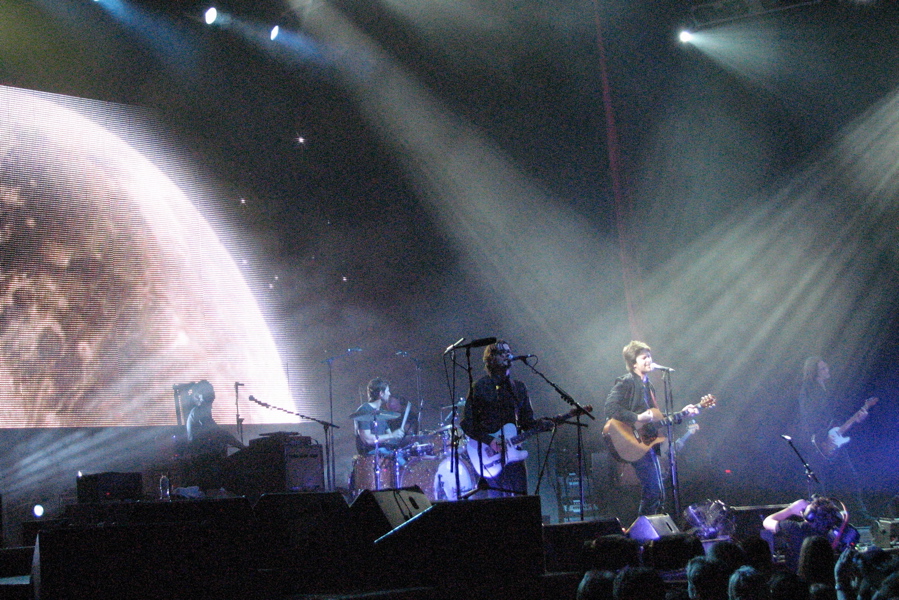
By the late 1990s, Powderfinger had become one of Australia’s defining bands. Formed in Brisbane, the group; Bernard Fanning, Darren Middleton, Ian Haug, John Collins and Jon Coghill, combined melodic guitar rock with thoughtful songwriting. They went on to release five number-one albums, win numerous ARIA Awards and sell millions of records across the country.
Their songs played on radio stations, at festivals and in pubs. For many Australians, Powderfinger became the soundtrack of an entire generation. Perhaps because it never tried to be grand or dramatic. Instead, it simply reflected on time and the quiet realization that life rarely unfolds exactly
as expected.
A song for a generation
In 1999, Australian radio listeners voted These Days one of the country’s most beloved songs. On Australia Day the following year it echoed across the nation: through car radios, backyard barbecues and festival stages. For many people,
the song captured a particular moment in life. The transition from youth to adulthood. The point where ideals meet reality. Where possibilities remain endless, but the first real responsibilities begin to appear.
It wasn’t a sad song. But it carried a certain weight. The kind that comes
from recognizing that time moves forward whether we’re ready or not.
The final chord
In April 2010, Powderfinger announced that they would disband. The decision surprised many fans, but the band explained it simply: they felt they had said
everything they wanted to say musically. Their farewell tour attracted more
than 300.000 people.
The final concert took place in Brisbane on November 13, 2010. Fittingly, the band closed the evening with These Days. Anyone who watches the footage can see the moment immediately. The crowd sings every word. The band members exchange glances. Everyone understands what’s happening. An era is ending.
Time moves on
Back in the present, the television continues showing images from Sydney.
The firework had faded. The crowds are beginning to disperse. Somewhere, people are packing away picnic blankets and empty bottles. Morning will
arrive soon. Life will continue. That’s part of what makes These Days resonate even now. The song isn’t about nostalgia alone. It’s about the way times moves quietly forward, whether we notice it or not. Plans change. Dreams evolve. Memories remain.
Growning older
Over the years the meaning of the song has changed for me. In 1999 it felt like
a farewell to a long journey. Today it feels more like a reflection on time itself. Life has moved on. I now have a wife I love, two wonderful children and
a career that gives my days structure and purpose. The carefree uncertainty
of that backpacking year has long since been replaced by something steadier.
And yet the song still resonates. Because even when life settles into routines, part of us continues to look back. Not with regret, but with gratitude.
The power of a song
Music has a strange ability to preserve moments in time. A single melody can carry an entire landscape inside it. A few lines of lyrics can reopen a door that seemed closed forever. For me, These Days does exactly that. Every time
I hear it, something shifts. And for a brief moment I’m back there again.
Not in the living room in the Netherlands, watching fireworks on television.
But somewhere else entirely.
A wave, a moment, a life
I’m sitting on a surfboard just beyond the break, waiting for the next wave.
The sun is warm. The ocean rises and falls beneath me. Somewhere behind
the shoreline a radio is playing. The journey is almost over, though I don’t
fully realise it yet. All I know that this moment feels important somehow.
Not because it will last forever. But because it won’t. And maybe that’s
what the song understood all along. That life is made of moments like these.
Brief. Beautiful. And gone before you quite realise how much they meant.











Nice write-up, mate. Put a grin on my face straight away. You can almost taste the warm night air, hear the waves and that first lazy guitar chord. Powderfinger’s “These Days” sneaks up on you like that: suddenly you’re ten years younger, barefoot on a beach or crammed into a tiny sweaty venue singing every line like it’s yours. Reading it now, with kids, a mortgage and a bit of grey at the temples, the song feels like a wink from the past. Makes me want to dig out the old CD, crack open a beer and see what memories turn up.