Three days in Australia’s most effortless coastal escape
What next? In Byron Bay, that question dissolves somewhere between the first coffee and the final wave of the day. Once shaped by its hippie roots and barefoot counterculture, this coastal town in northern New South Wales has evolved into something more polished. Yet it remains one of the few places where laidback living still feels entirely authentic. Over three days, we discover a place where surf breaks meet creative kitchens.
Where rainforest sits just inland from the sea and where slowing down feels not only natural, but inevitable.
Day 1 – The road in, and the rhythm begins
We land at Ballina Byron Gateway Airport and are on the road within minutes. The drive is short, less than 40 minutes, but rushing would feel out of step here. Instead, we slow down, turning off at Lennox Head. At Pat Morton Lookout a loose gathering of locals and travellers gazing out over the Pacific. Below, surfers carve smooth arc across the well. During migration season, whales pass through these waters, their unhurried movements echoing the calm of the coastline.
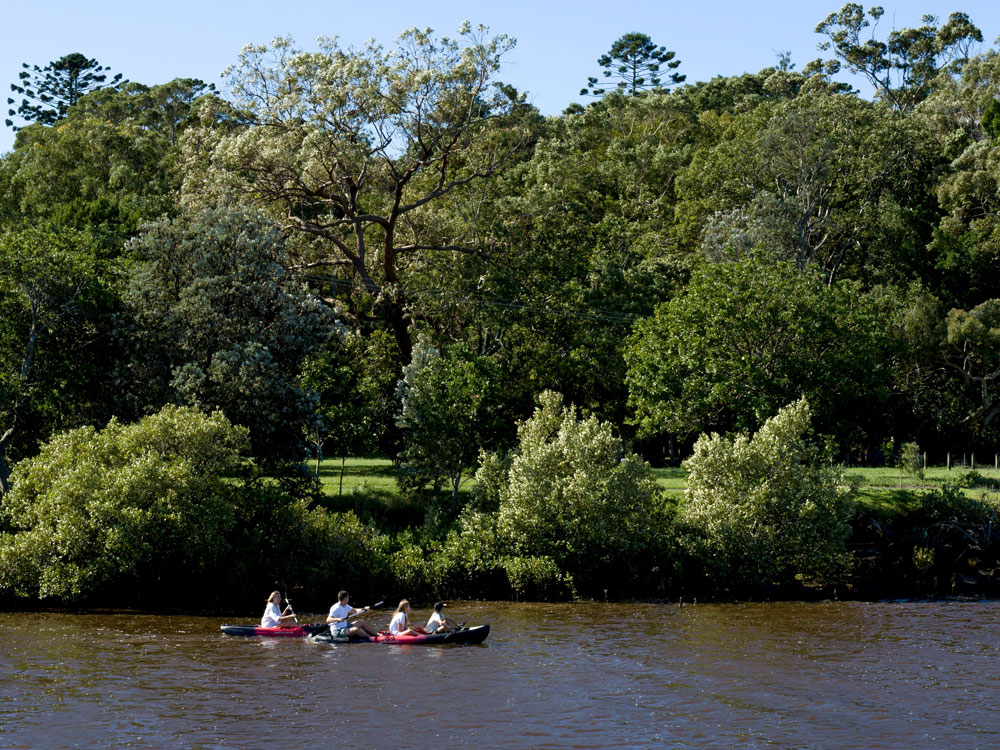
Further along, we stop at Lake Ainsworth. Its waters, stained a deep amber by surrounding tea trees, glow almost copper in the light. Unusual at first glance, the lake reveals a quiet magic. Once we step in the warmth and stillness are unexpectedly soothing. It’s a gentle prelude before reaching the coast.
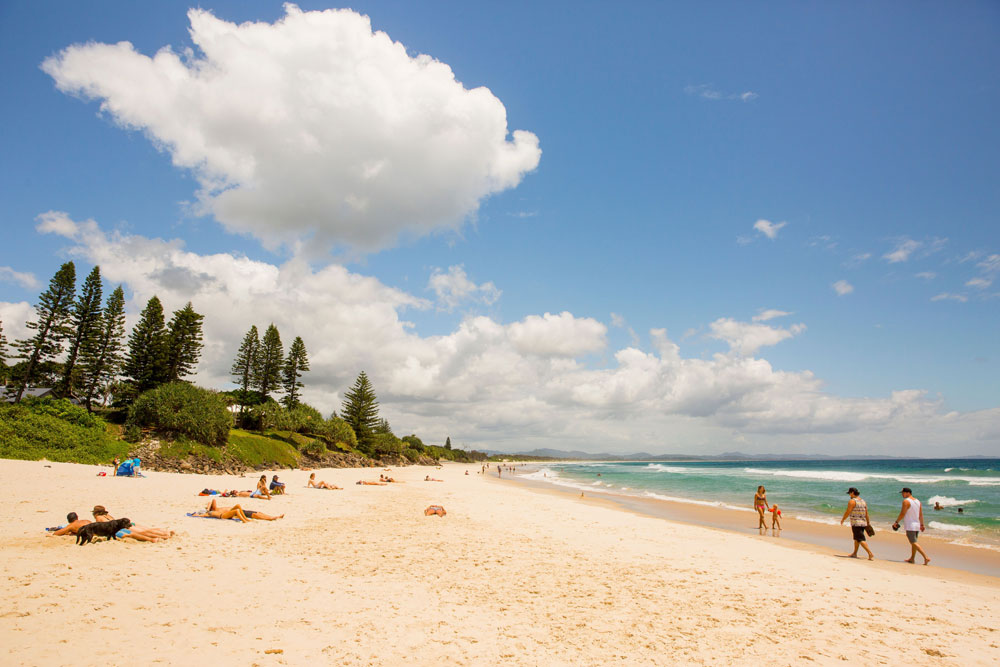
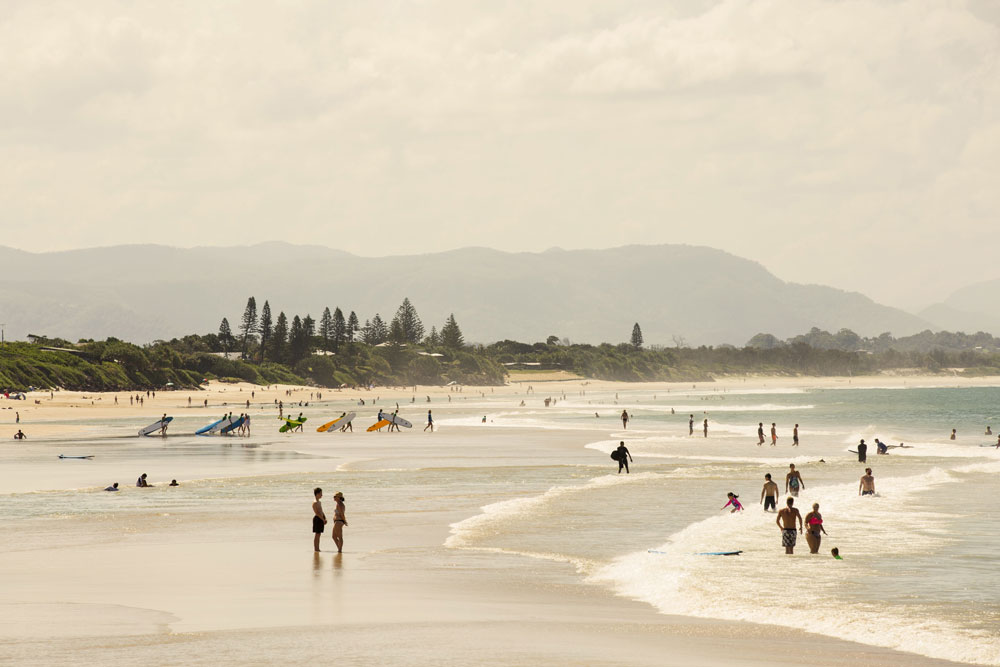
By the time we arrive in Byron Bay, the day has softened. The town hums with energy but never feels overwhelming: a blend of beachgoers, shoppers, surfers and wanderers moving without urgency. We drop our bags and head straight to Main Beach. Wide and animated, it’s a stage for Byron life. Yoga on the sand, buskers tuning guitars and swimmers drifting in and out of the surf. Lively, but never hurried.
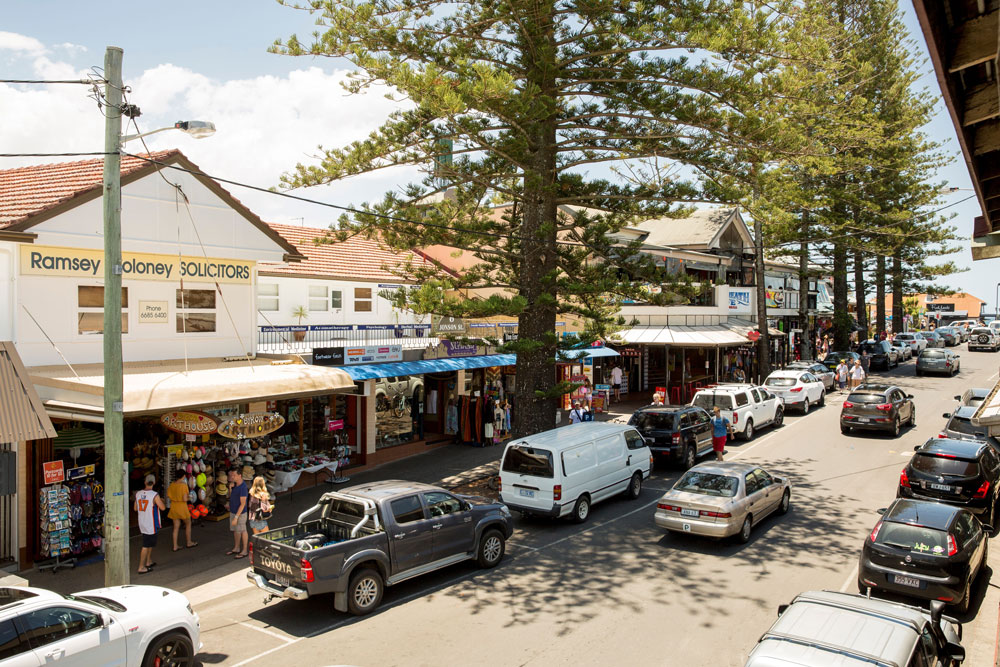
Later, we wander through the town centre. Byron’s evolution is unmistakable. Alongside relaxed cafés and surf shops sit boutique stores, curated homewares and a dining scene that rivals far larger cities. Yet the atmosphere remains approachable and grounded.
As evening settles, we take a table outside. Plates arrive vibrant and fresh. Local seafood, seasonal vegetables in bright and confident flavours.
Conversation lingers: no one rushes to leave.
The day ends as it began: unhurried.
Day 2 – Sunrise, coastline and the essence of Byron
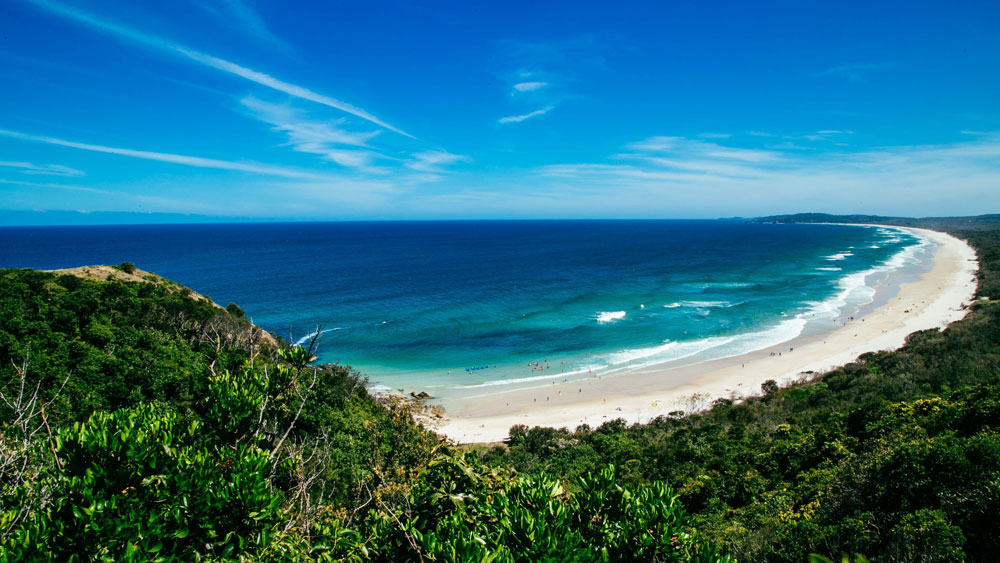
We wake before dawn. In Byron Bay, it feels almost essential. The Cape Byron Walking Track lies quiet as we begin in near darkness. The path winds through rainforest and open headland, the air cool, the ocean ever-present below.
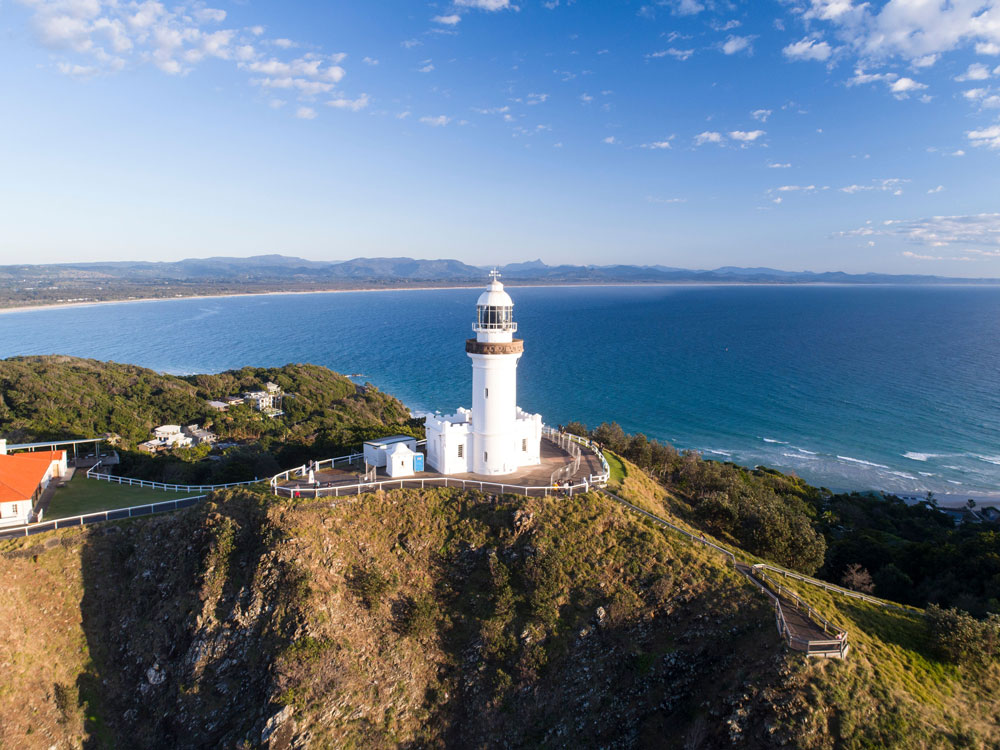
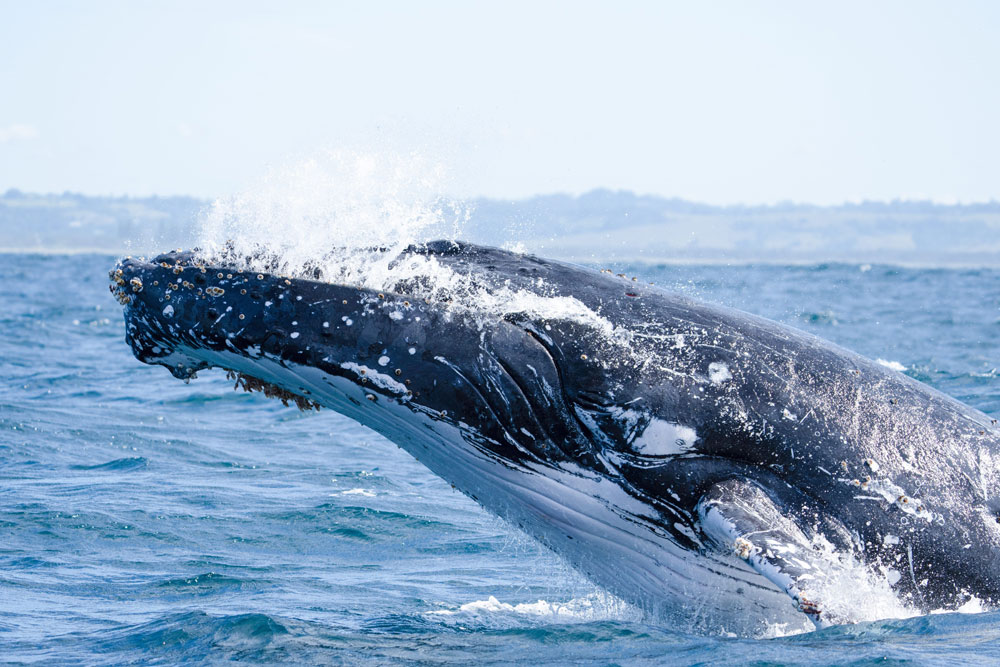
At the lighthouse, the horizon begins to glow. A small group gathers in silence. Gradually, the sun rises. The first light to touch mainland Australia. It isn’t dramatic; it’s something subtler, more affecting. Soft golds and pale pinks spread across the sky, mirrored in the sea. Dolphins move through the water below, almost routinely. Between May and November, whales pass this same coastline.
The descent is slower. In daylight, details emerge. The texture of the path, birds in motion and the shifting blues of the ocean. Breakfast feels earned. At a bright café just beyond the centre, avocado toast arrives layered with citrus, seeds and herbs. The coffee, as almost everywhere here, is excellent.
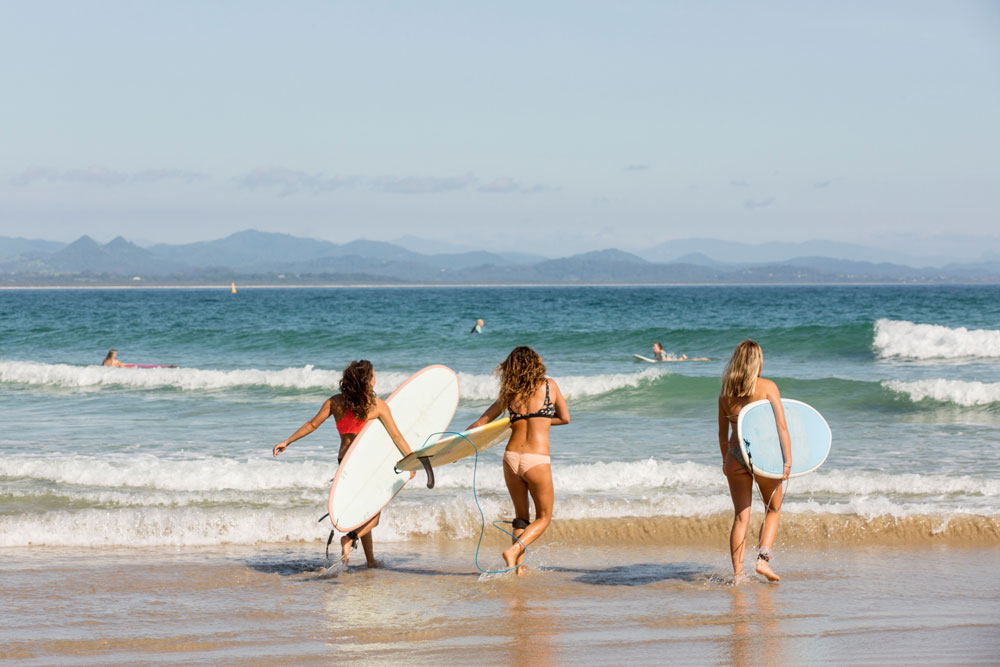
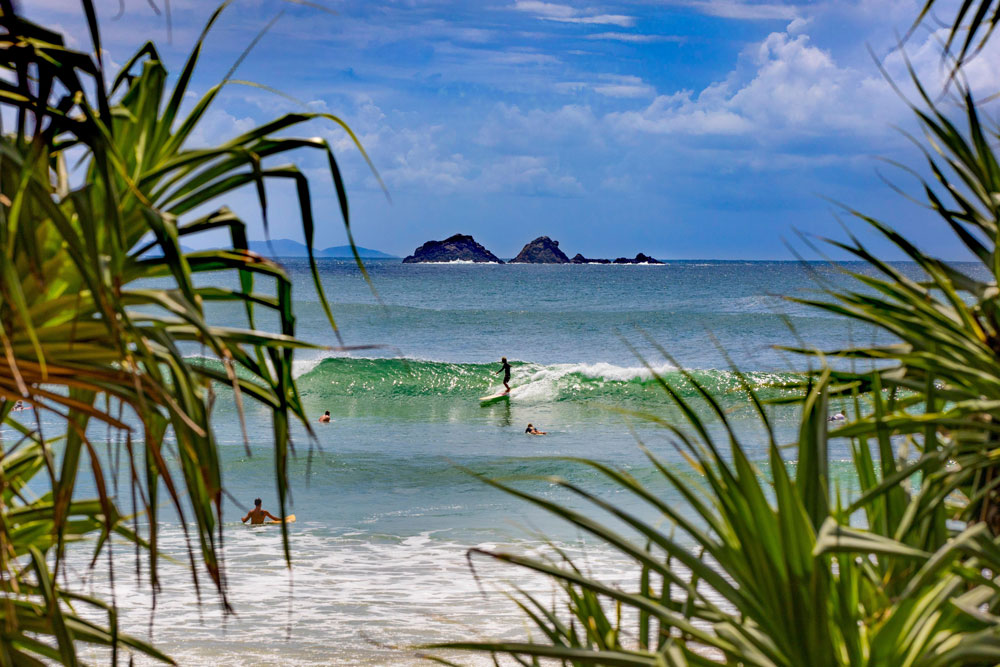
The rest of the morning unfolds along the coastline. While Main Beach draws the crowds, Byron’s character lies in its variety. Wategos Beach, tucked beneath the headland, offers calmer water and a more intimate setting. At low tide, Little Wategos reveals itself. A small sheltered cove edged by bushland. Further along, The Pass rolls in with gentle waves, ideal for longboarders. Tallow Beach, stretching along the edge of a national park, feels wilder and more elemental. Byron isn’t defined by a single shoreline, but by the abundance of them.
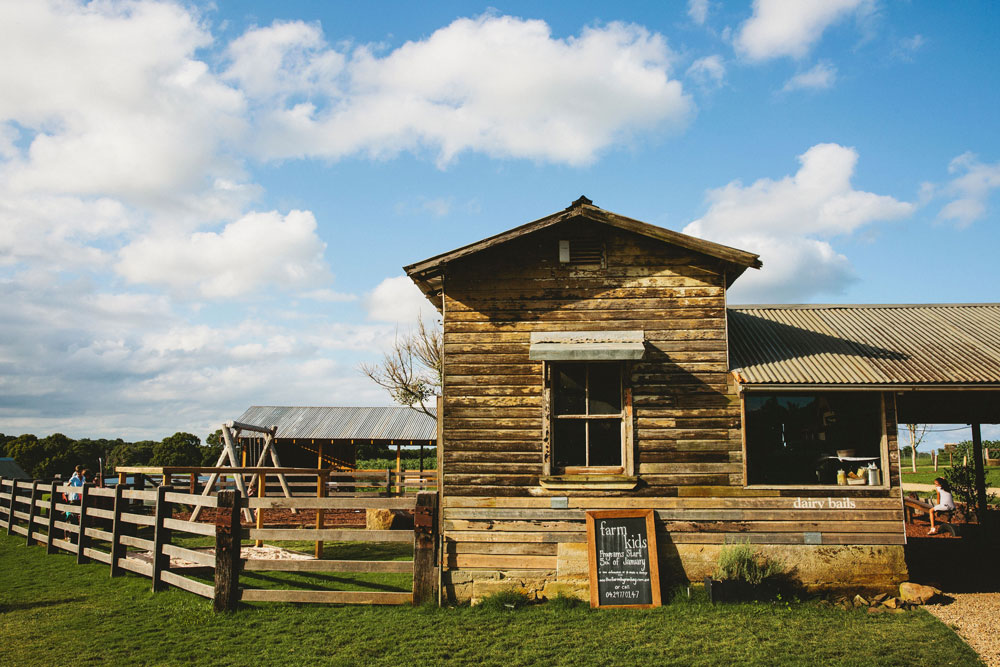
In the afternoon, we head inland to The Farm. More than its name suggests, It’s a working farm that brings together restaurant, bakery, produce store and small scale businesses. It reflects Byron’s deep connection to the land as much as to sea.
We wander past vegetable plots and chickens before settling in for lunch. The food is simple but exceptional, built around local produce. Families strech out on the grass, children weaving between tables. The pace remains unhurried.
Later, back in town, we stop at a local brewery. Byron’s craft beer scene has grown alongside its culinary reputation. At Stone & Wood, large brewing tanks anchor the space, while outside, people gather over tasting paddles. Crisp top-fermented beers alongside more experimental brews.
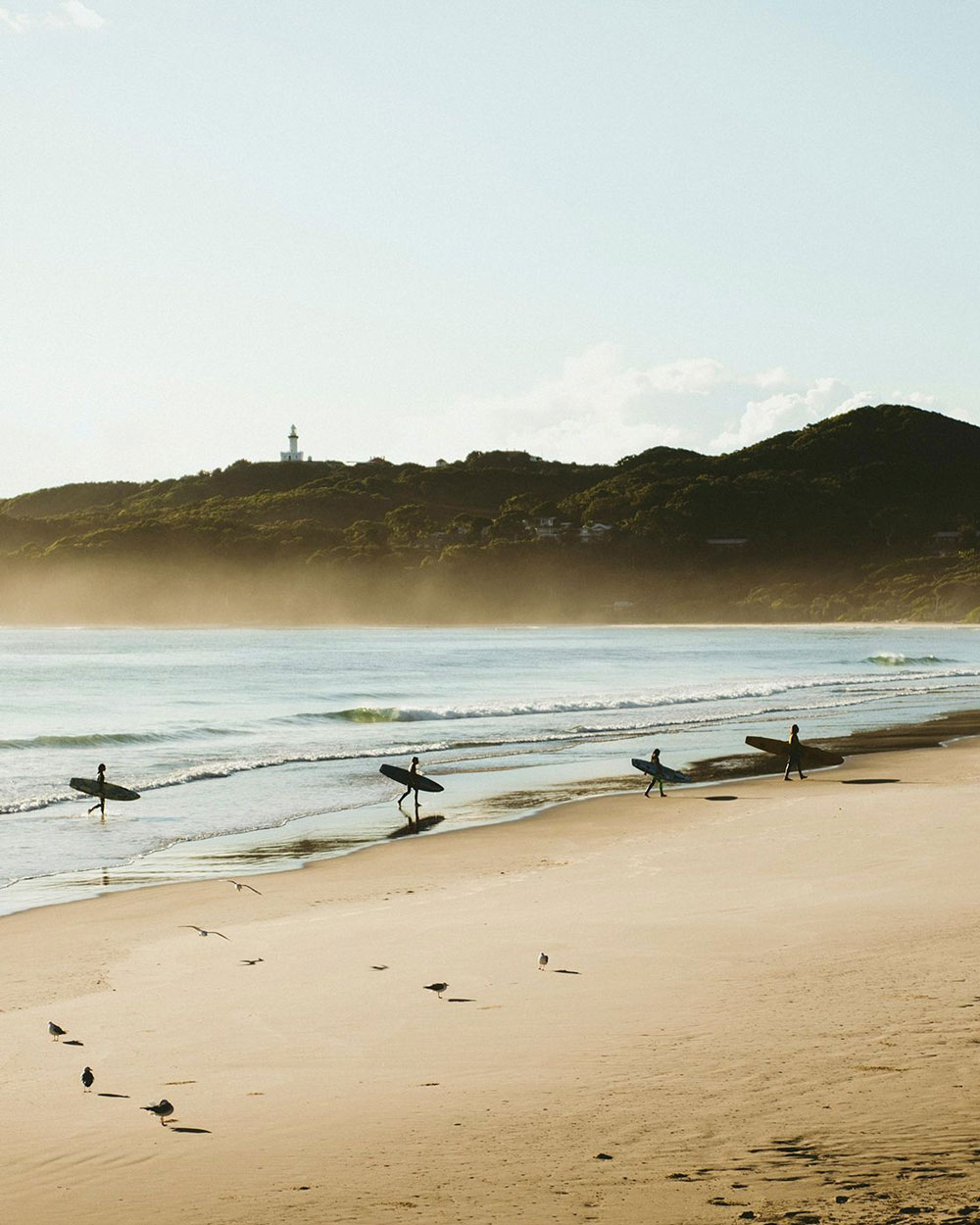
As evening approaches, we return to the beach. The light softens. Surfers catch the last waves. The day unwinds, gently.
Day 3 – Hinterland, markets and quiet corners
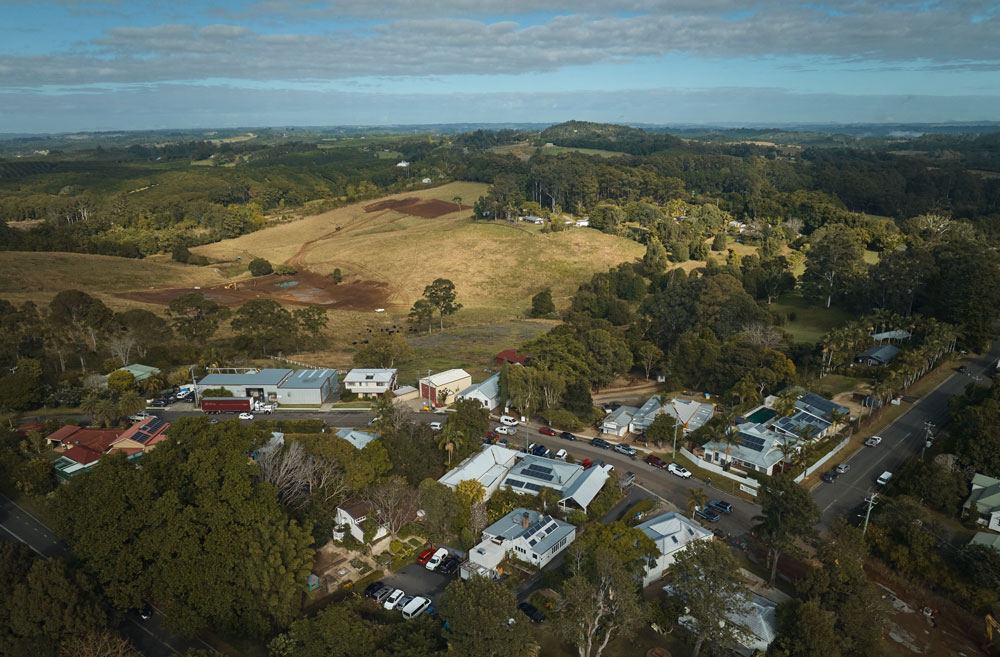
Our final day begins inland in Newrybar. A small village that feels almost cinematic: understated, polished and stylish. We start with coffee and pastry before strolling along its main street, browsing shops filled with textiles, homewares and thoughtfully curated clothing. It is a different expression of Byron: refined, but still relaxed.
For those seeking movement, the Northern Rivers Rail Trail offers a longer journey through rainforest and farmland. We opt for something shorter, saving energy for the day ahead.
Back in Byron, we visit the Farmers’ market, if timing allows. It’s vibrant yet grounded, where locals gather to shop for organic produce, fresh bread, honey and flowers. The emphasis is clear: community, sustainability and connection.
From there, we return to the coast for one last stretch of shoreline. Belongil Beach, just north of town, offers a quieter alternative to Main Beach, while Brunswick Heads reward those willing to venture further. We choose simplicity: A final swim, a walk along the sand and time to absorb the pace we’ve slipped into.
Departure – The ease that remains
Three days in Byron Bay feel deceptively full. Not because of a packed itinerary, but because of the way time expands. This is a place that has changed: from a working town to a countercultural haven to globally recognised destination. The signs are there: the crowds, the queues and the growing polish. And yet, it remains unmistakably Byron.
The beaches are still stunning. The food still inventive. The natural surroundings still extraordinary. More than anything, the spirit endures. It’s like a quiet invitation to slow down, to pay attention and to let go of urgency.
By the end of our stay, we find ourselves moving differently. Slower. More present. Byron Bay doesn’t ask us to do more. It shows you how to do less and enjoy it.