Life and Work on Bullo River Station
In Australia’s far north, where distances are measured in hours rather than kilometres and red dust settles into every crease, we spend time on a working cattle station during the annual muster. At Bullo River Station, a 400,000-acre property near the Western Australian border, helicopters, ringers and stock horses work together to bring in around 2,000 head of cattle. The result is more than a glimpse into station life; it is an immersion into a landscape where patience, timing and an intimate knowledge of the land remain the most valuable tools of all.
First light
Even before sunrise, the heat hangs in the air. Not a gentle warmth but a pressure rising from the ground itself. Red dust clings to our boots and settles into every fold of clothing. Around the paddocks, the station is already stirring. Movements are calm but purposeful, and Joe stands by a gate with a mug of tea, scanning the landscape as though reading a map invisible to everyone else. “They’ll be in the timber,” he says. “Too hot already.”
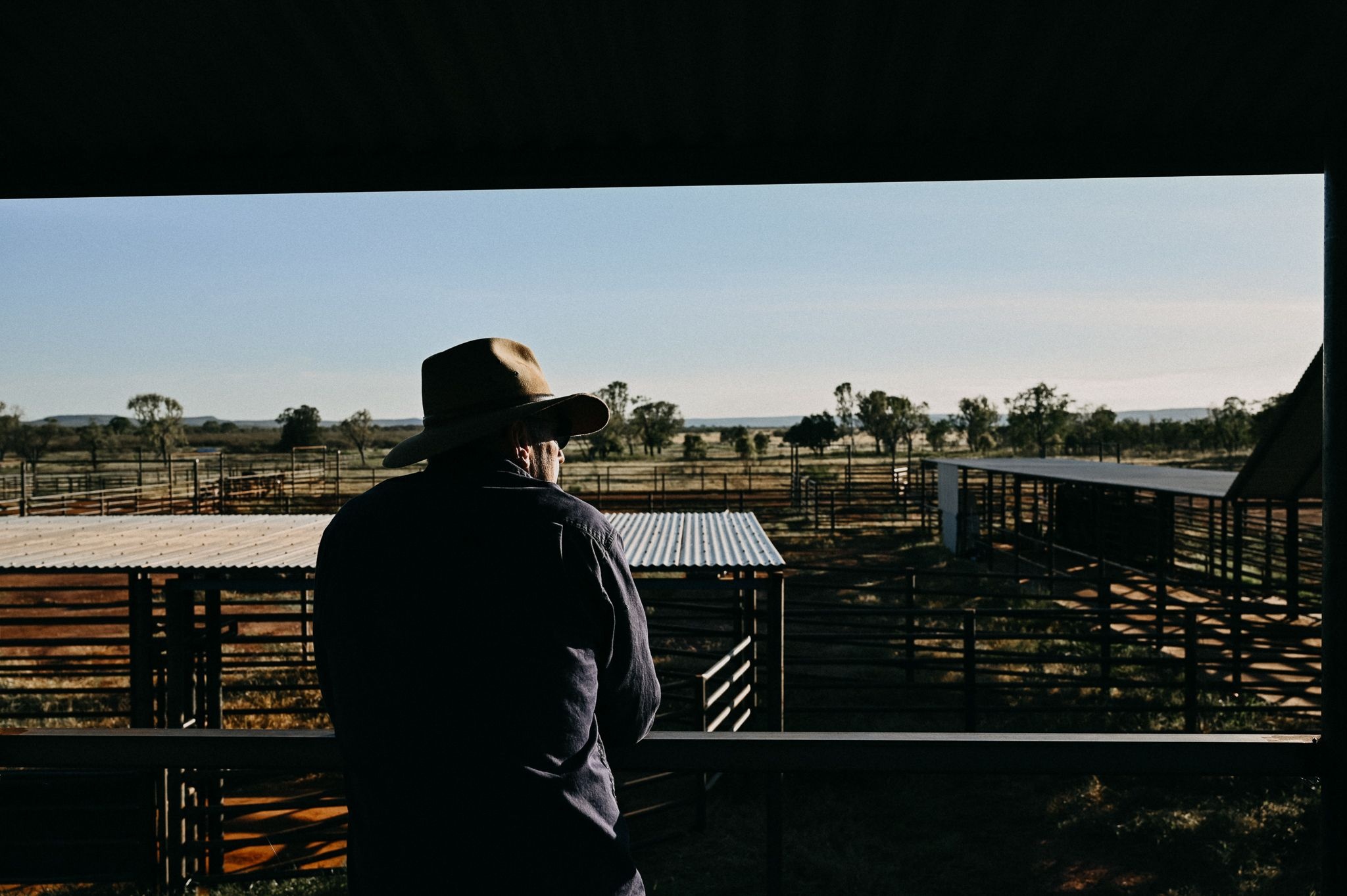
Ahead of us stretches a landscape of dry grasses, eucalyptus and rust-red earth. The scale remains difficult to comprehend, but gradually it begins to take shape.
We are on Bullo River Station, a working cattle station in the remote north-west corner of the Northern Territory, some 800 kilometres south-west of Darwin and 200 kilometres east of Kununurra. Bounded by the Victoria and Bullo rivers, the property occupies a vast swathe of country where floodplains, billabongs, sandstone escarpments and seasonal creeks define the landscape. Today, we are following the muster.
Reading the land
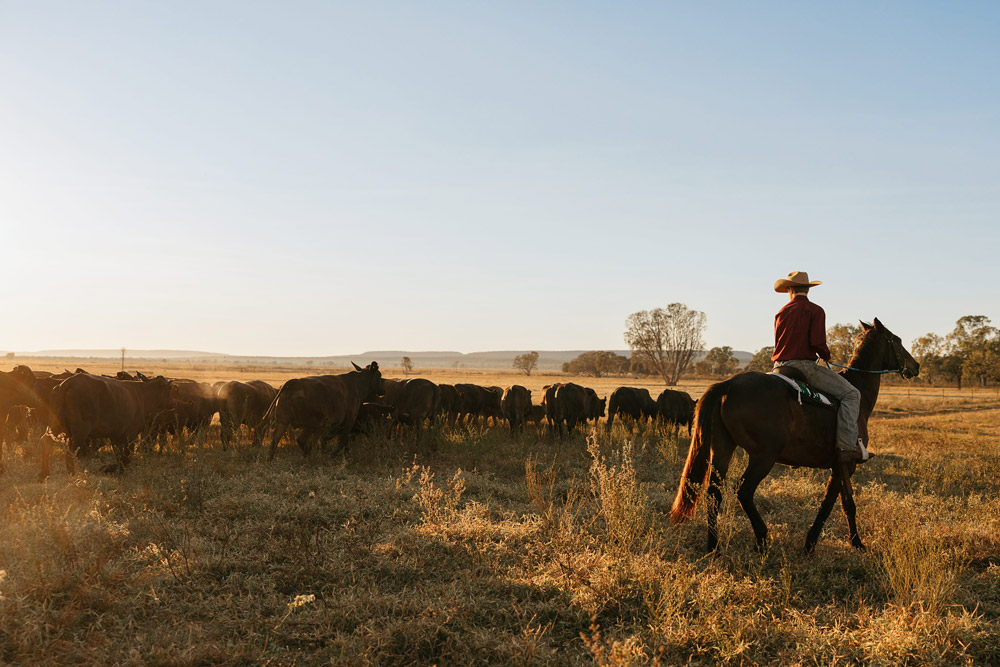
The sound arrives first: a low, pulsing thrum building above the treeline before the helicopter comes into view, skimming low across the country. From the air, the pilot locates mobs of Brahman-cross cattle sheltering along creek lines and beneath pockets of shade. “Mob in the creek line,” crackles over the radio.
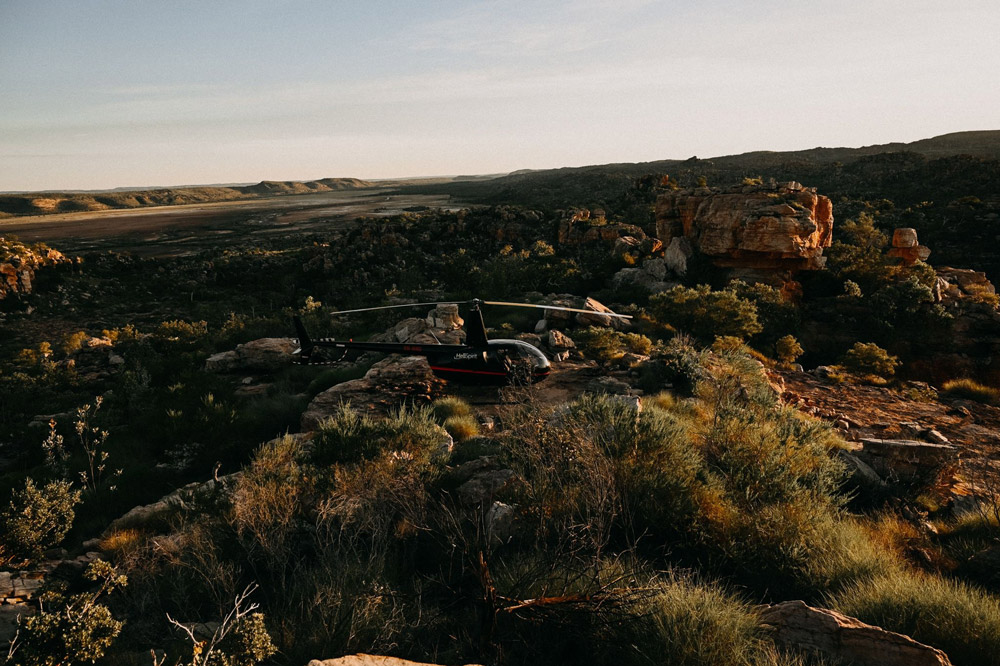
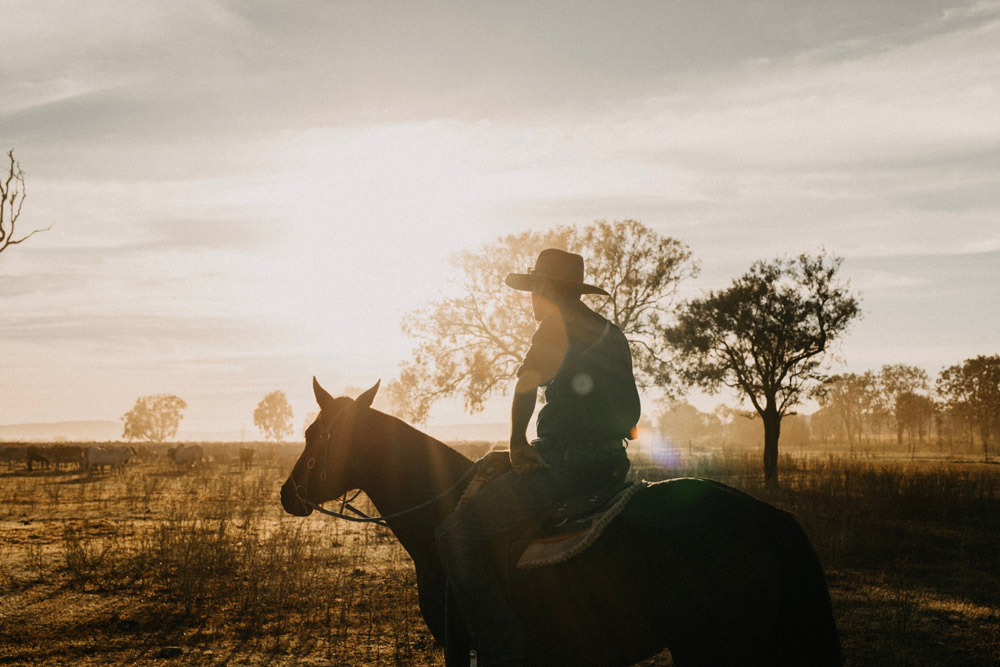
We follow at a distance in a four-wheel drive. Guests do not participate in the muster itself; we are here to observe. The horses remain with the ringers. They are working stock horses that play a vital role on the station but are not available for guests to ride.
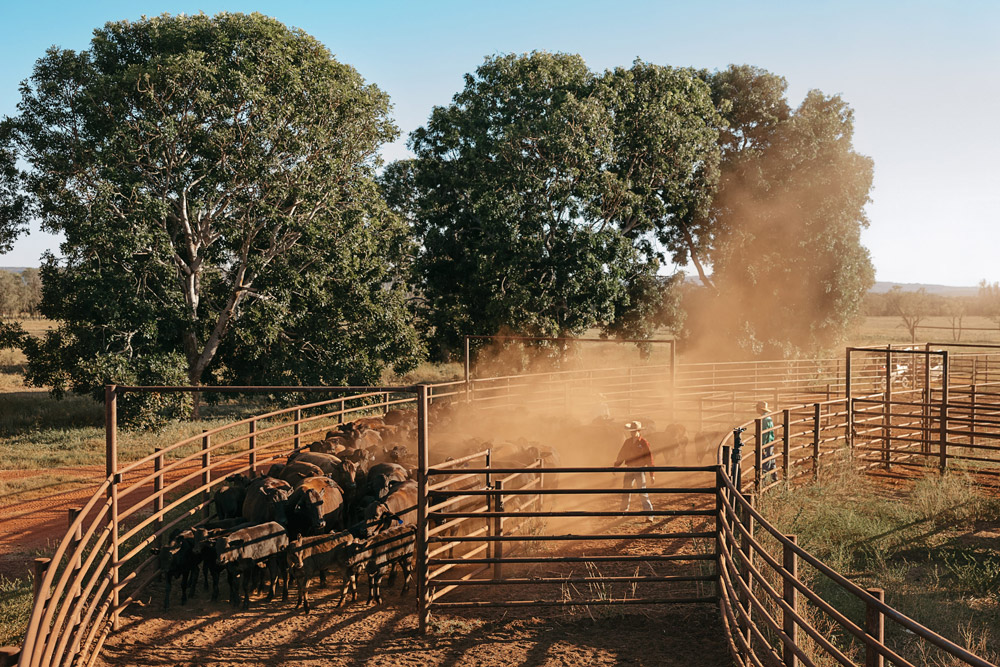
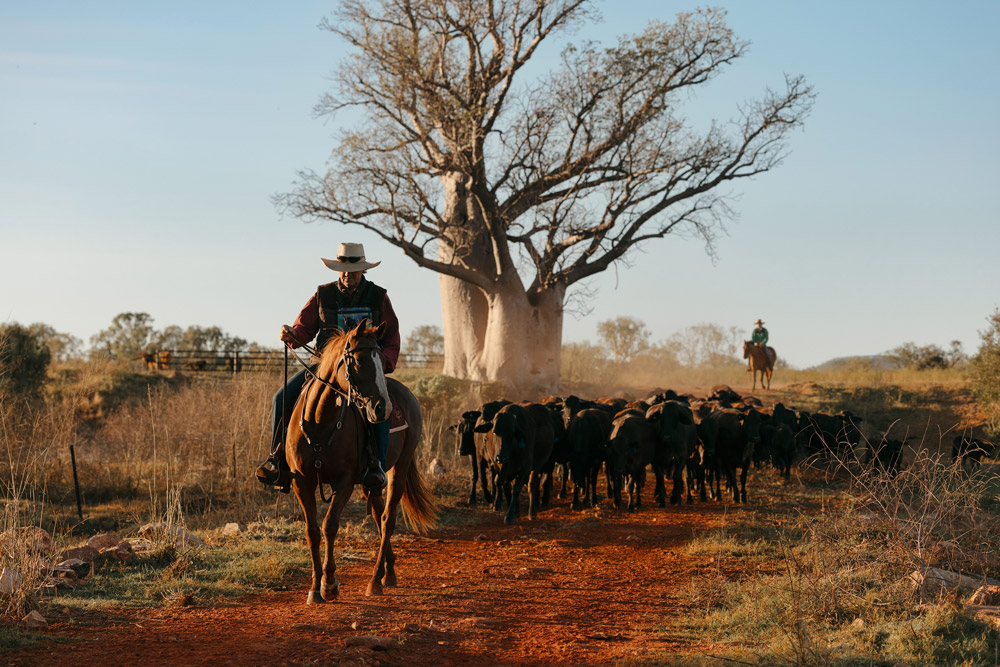
As the cattle begin to move, the atmosphere changes. First comes the rhythm of hooves striking hard ground, followed by a rising curtain of dust. Only then do the animals emerge. The mob moves as a single body, yet remains unpredictable.
Joe makes a barely perceptible adjustment. “Let them think it’s their idea.” That, it seems, is the essence of mustering: doing as little as possible, at precisely the right moment.
A landscape built on cattle
Although Bullo River Station officially began in 1960, cattle had grazed this country for decades before the pastoral lease was granted. The station’s history was shaped by generations of stockmen and stockwomen who worked in conditions defined by heat, isolation and vast distances.
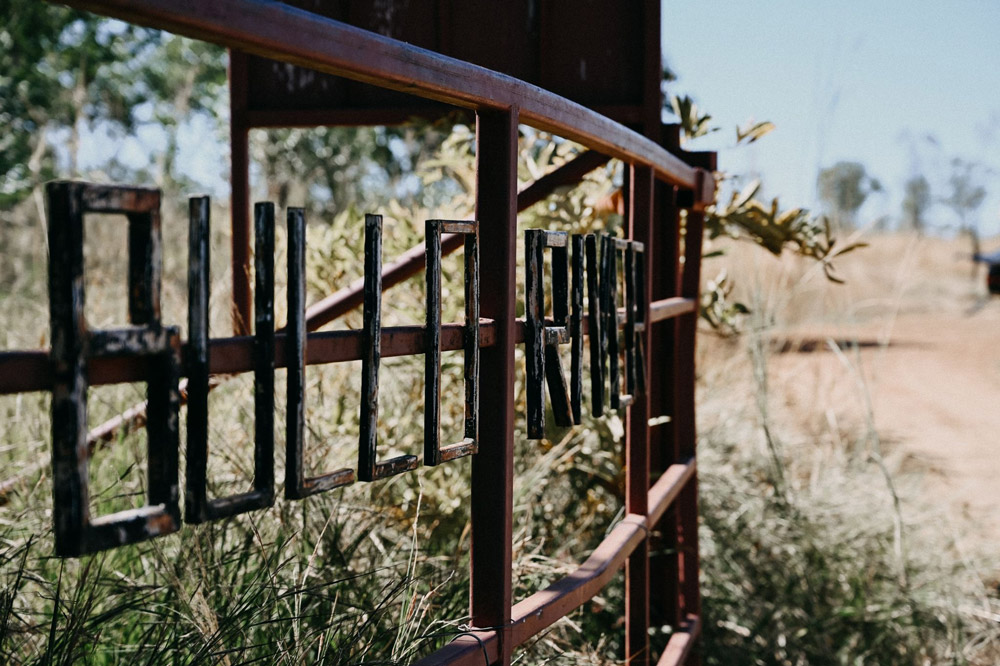
Aboriginal stockmen played a significant role in that story. Long before roads improved or modern equipment arrived, their understanding of the country proved invaluable. They knew where cattle would seek water, where they would shelter from the heat and how they would move through the landscape. That knowledge remains relevant today.
Modern technology has transformed station operations, yet much of the work still depends on reading country rather than controlling it. Out here, experience matters. So does patience.
Pressure and precision
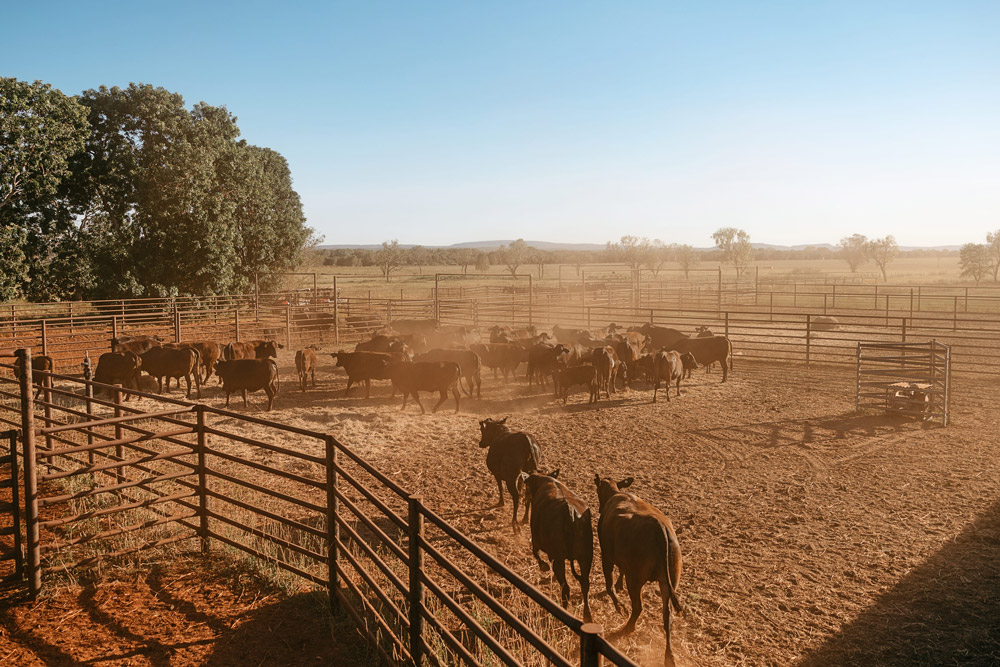
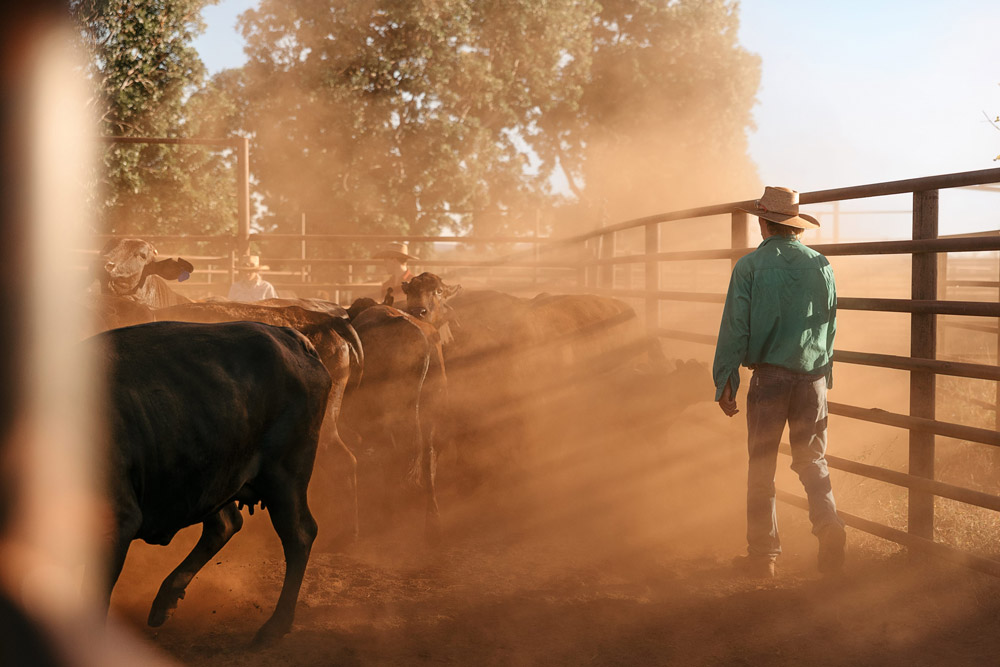
As the morning progresses, the temperature climbs rapidly. Heat shimmers above the ground and activity intensifies around the yards. Gates swing open and shut. Metal clangs sharply. Dust lingers in the air. Everything happens at once, yet nothing feels chaotic.
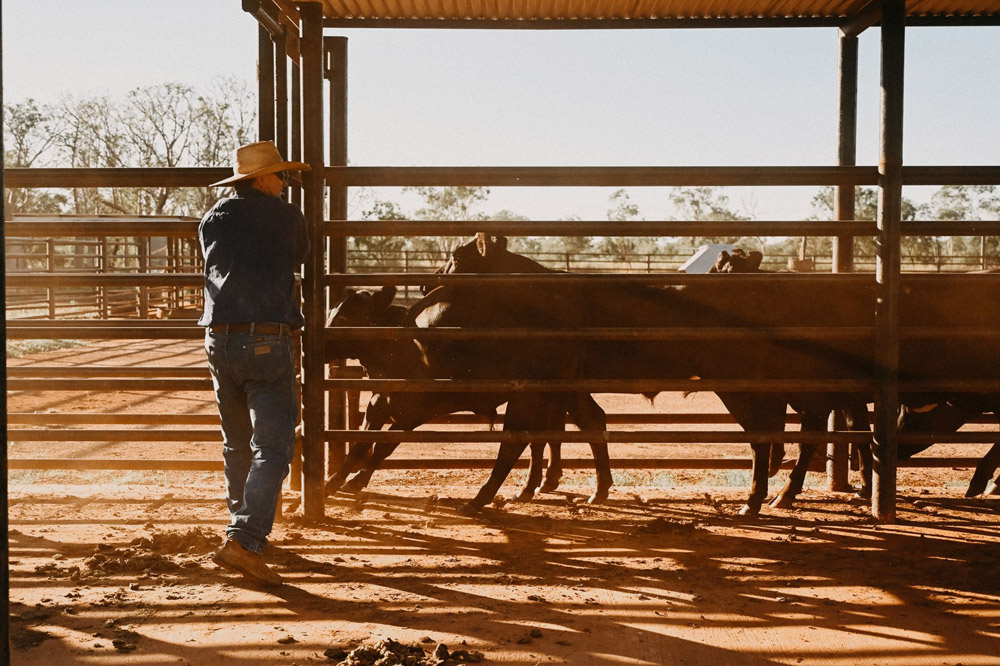
Joe stands beside the drafting race, watching closely. “Watch the shoulders,” he says. “That’s where she’ll tell you where she wants to go.” A young heifer hesitates. The line stalls. Another animal presses forward from behind. For a fraction of a second, everything tips: movement, noise and dust.
“Close!” The gate swings shut. Almost immediately, calm returns. Joe nods. “One moment. That’s all you need.”
Between heat and instinct
By mid-afternoon, the heat seems to slow everything. Even the wind retreats, yet the work continues. We drive to a distant paddock where a small group of cattle has separated from the main mob. According to Joe, it happens more often than most people realise. “Some cattle like finding their own way.”
What stands out is how well adapted these animals are to the conditions. Brahman cattle, easily recognised by their loose skin, large ears and distinctive hump, appear almost unaffected by the heat. Their pale coats reflect sunlight while their skin helps dissipate body heat and resist insect bites.
Originally developed in the United States from cattle imported from India, Brahmans became the backbone of northern Australia’s cattle industry because of their ability to thrive in tropical and semi-arid conditions where many European breeds struggle.
“They don’t just survive here,” says station manager Catherine. “They belong here.” A young animal stands apart from the others. It lifts its head, assesses the situation and takes a cautious step backwards. “Don’t force it,” says Joe. We wait as the engine falls silent. For a moment, nothing happens. Then the wind shifts.
The animal raises its head, turns and walks back towards the group. There is no pressure and no urgency, only a subtle change in circumstance. Joe nods. “That’s enough.”
Distance as reality
At lunch, we find shade beside a fence line. The meal is simple. The tea is strong. The flies are relentless. Out here, distance carries weight.
The nearest town lies several hours away. During the wet season, roads disappear beneath floodwaters and parts of the station become inaccessible for months. Preparation is everything. Fuel, food, fencing supplies and spare parts arrive in bulk because waiting for deliveries is rarely an option. “You don’t wait for things out here,” Catherine says. “You act.”
The dry season dictates the working year. Afterwards, rivers spill beyond their banks and the landscape changes completely. Adaptation is simply part of life.
Tracks in the dust
Later, we leave the main track. Joe wants to show us how to read the country without crossing every kilometre of it, and gradually patterns begin to emerge: broken branches, subtle changes in colour and faint hoofprints pressed into the dust. Kim crouches beside a track. “Last night.” To her, the signs are obvious. To us, they only become visible once she points them out.
Not long afterwards, we spot a small group of cattle among the trees. We stop and wait. As the wind changes, one animal looks up and the others follow. Before long, the mob begins moving again, calm and unhurried. Intervention, we are learning, is rarely necessary.
The poddy calves
Near the paddocks, several poddy calves. These young animals, being raised without their mothers, gather by the fence. As the gate opens, they surge forward. One calf lingers behind, turning in circles as though unsure where it belongs. For a moment, it seems lost. Then it finds the group again.
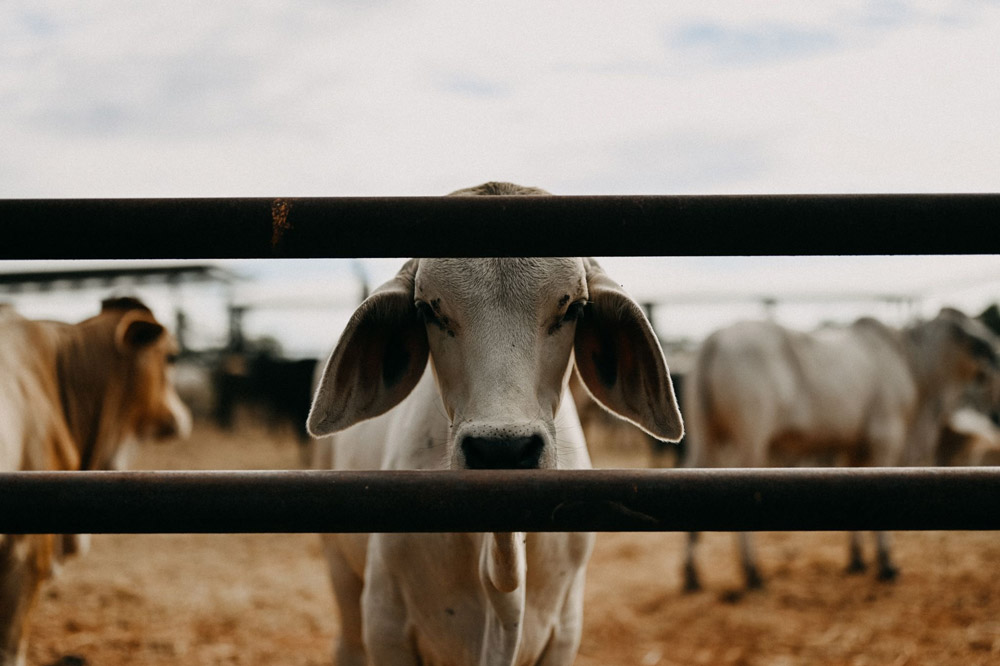
Catherine watches quietly. “They learn fast,” she says. “And forget fast too.” The calves draw smiles from everyone nearby, but their presence also reflects the realities of station life. Some lose their mothers during calving, while others require additional care if they are to survive. Each morning and afternoon, they are fed by hand. Before long, they begin treating every approaching human as a potential source of milk.
A lesson in patience
Later that afternoon, work briefly stalls in the yards when a gate fails to close properly and a small group of cattle spots an opportunity. In an instant the line breaks. Hooves hammer the hard ground, dust erupts into the air and the animals turn back towards the opening. A young ringer steps forward. Joe is quicker. He places a hand on the young man’s arm. “Wait.”
Everything accelerates. The space tightens and the noise builds. Then the lead cow hesitates, if only for a fraction of a second. The animals behind her bunch together, almost colliding before beginning to turn. What looks like chaos suddenly changes shape. The group regains its direction and moves back towards the race as though nothing had happened. Slowly, the dust settles. The ringer looks at Joe. Joe shrugs. “Doing too much usually makes it worse. ”The lesson seems to apply to more than cattle.
Water and vigilance
The following day, we stop beside a remote waterhole. The surface appears calm. Inviting, even. Then we notice a ripple. A crocodile lies just beneath the surface. The discovery changes everything. “They’re always there,” says Kim. “You just don’t always see them.” After that, we never look at a waterhole quite the same way again.
Crocodiles are only one part of the station’s wildlife. Wallabies move through the grasslands, dingoes patrol the fringes of the bush and countless bird species occupy wetlands and river systems. Even here, where cattle remain central to daily life, the landscape belongs to far more than livestock.
Evenings Without Light
As evening approaches, the heat begins to ease and the light softens across the floodplain. Back at camp, we eat together. A stew simmers slowly while damper cooks beneath hot coals. Stories drift across the table. Kim talks about her Country. 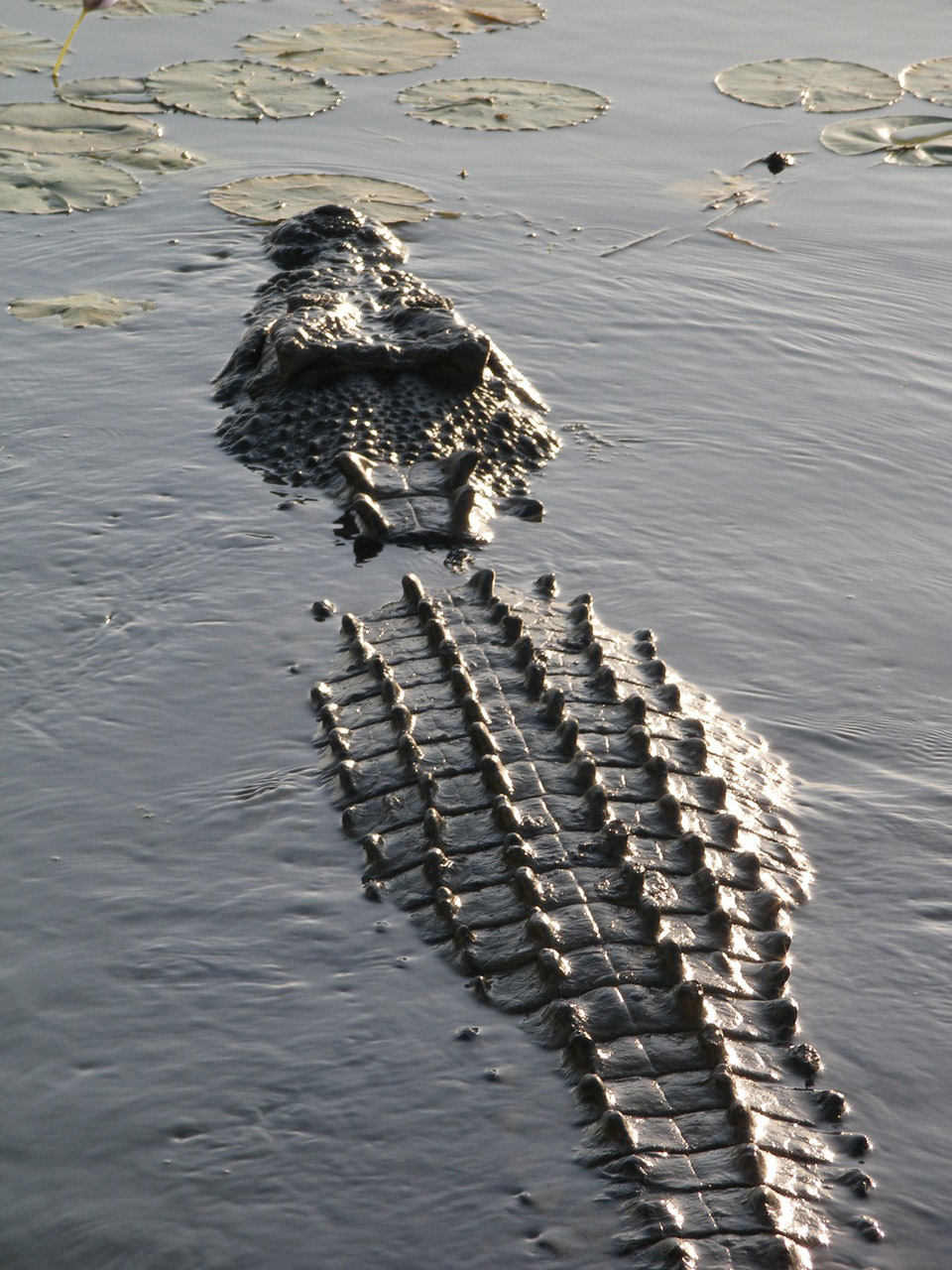 “The land remembers,” she says. The words linger long after the conversation moves on. When the generator finally switches off, silence settles over the station. Then the sky appears.
With virtually no light pollution, the stars seem impossibly bright. The Milky Way stretches overhead with astonishing clarity, arching from one horizon to the other. No one says much. Only the crackle of the fire remains.
More than a station
Bullo River Station sits on Miriwoong and Gajirrawoong Country, and the connection between people and landscape runs deep. Today, the station balances cattle production with conservation and land rehabilitation. In recent years, grazing pressure has been reduced in some areas and sections of country have been returned to native vegetation. Wildlife populations have responded.
The approach reflects a broader shift in thinking across parts of northern Australia, where productive land management increasingly works alongside ecological restoration. “You work with the land,” Catherine says. “Not against it.” The phrase sounds simple. Out here, it feels like a philosophy.
What remains
On our final evening, we walk beyond the camp. The ground still radiates heat and, in the distance, a small mob moves slowly across the plain. We stop and watch. Where the landscape first felt overwhelming, we now recognise patterns and purpose within it. Back at camp, a low fire still burns and someone puts the kettle on.
Above us, the stars remain unchanged. We do not. Later, we leave. Dust gives way to bitumen. Silence gives way to reception. Yet something remains behind. Not a memory so much as a realization. An understanding of what it feels like when land, work and time align perfectly. A fleeting moment when everything falls into place. And nothing needs to be added.