The first sip of espresso is so hot we almost put it straight back down. The barista doesn’t look up, just slides two glasses of water towards us and moves on to the next order. Outside, a broom scrapes across the pavement; somewhere a shutter rattles open. Barcelona is waking up, and we are right in the middle of it. Just the two of us, slightly disoriented, yet immediately absorbed into its rhythm. We don’t say anything. We don’t need to. This is the moment we recognize every time.
And as we stand there, at the narrow bar in Eixample, we understand again why we now spend much of the year in Spain. Not to escape somewhere else, but because life here arranges itself differently. Less rigid. Less scheduled. More present. We pay. Step outside and begin walking with no particular plan.
Moving with the city
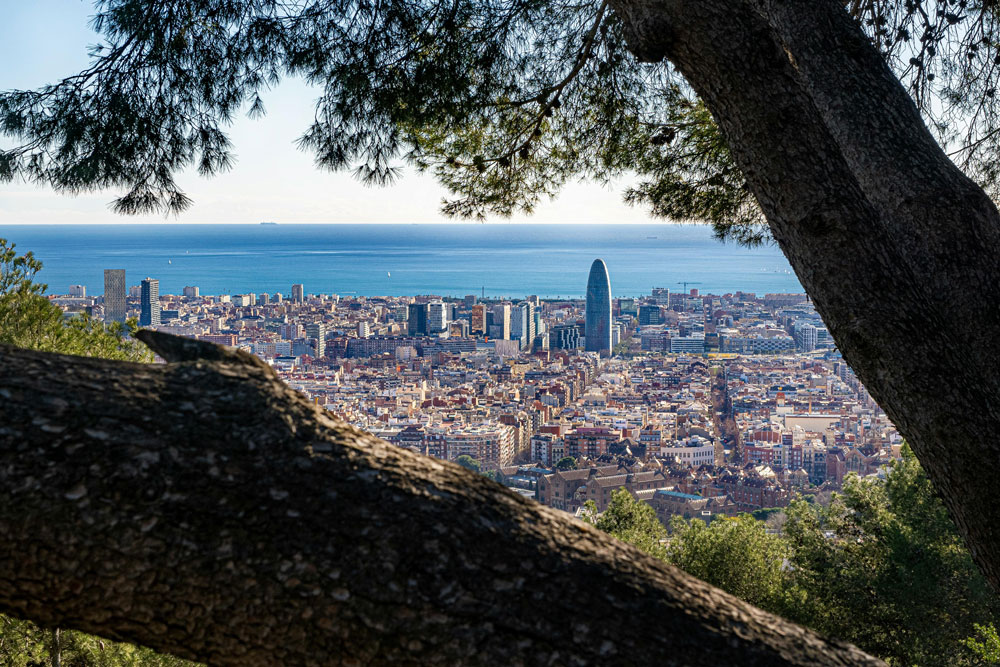
Barcelona resists being forced into an itinerary. It works through transitions rather than fixed routes. From the broad avenues of Eixample, we drift towards the old town, where streets narrow and light filters between tall facades. At a junction, we hesitate. Left looks busier, right quieter. We glance at each other and turn right. It’s a small decision, but that’s how this city reveals itself: those willing to veer off find another layer.
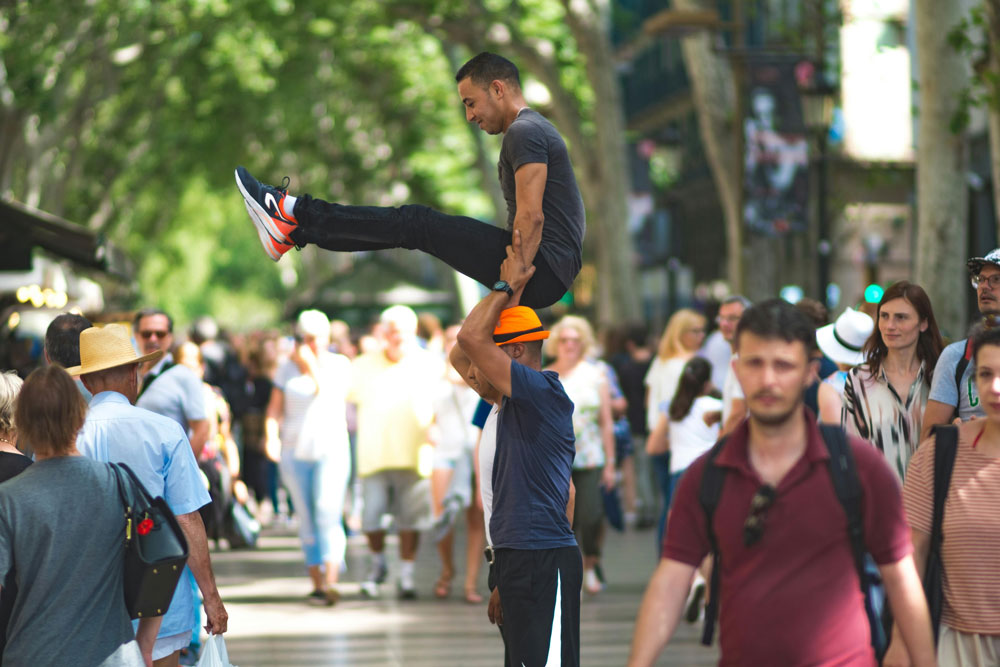
Soon enough, we emerge onto La Rambla. The familiar scenes are all there: street performers, flower stalls and groups clustering around guides. But there’s more to it than that. A waiter hauls a stack of chairs across the pavement; a woman mutters sharply in Catalan at someone blocking her way.
“It’s exactly how you remember it,” one of us says, “Yes,” the other replies, “but you have to look past it.” So we do. And then we turn off again.
Where the city remains itself
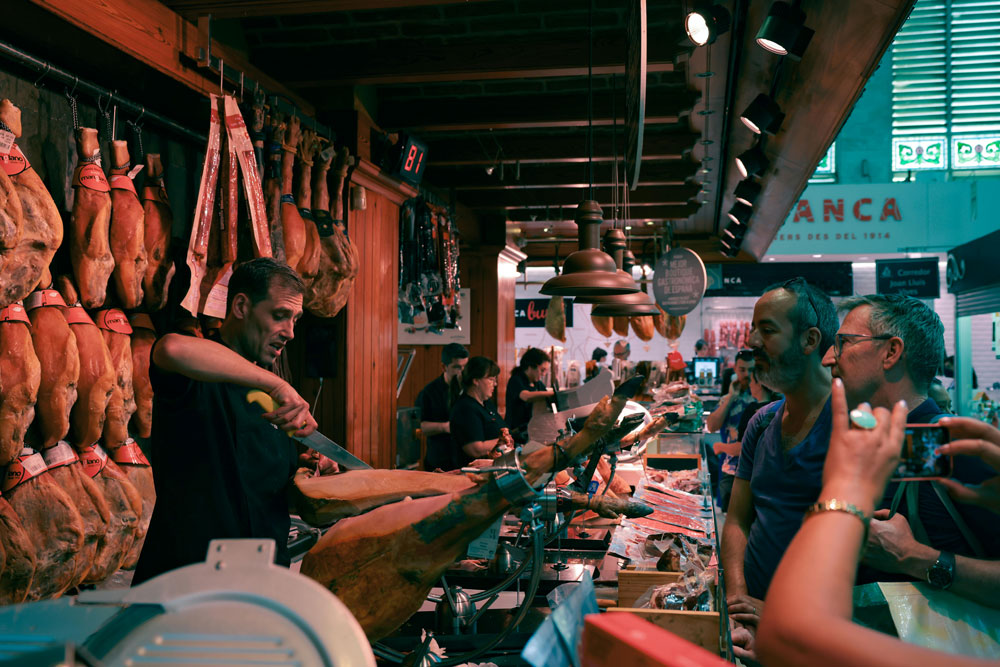
Behind La Rambla, everything shifts. The noise softens, the air cools. On a small square, market stalls have been set up. No signs, no directions. Just people who clearly know where they’re going. We pause at a stall where a man slices jamón into impossibly thin pieces. His knife moves almost silently. He looks up, catches our interest and offer us a piece. “Probad,” he says. We taste it. The fat melts instantly; the flavour lingers. “Bueno?” We both nod at once. He smiles briefly and turns back to his work. These are moments no guidebook can quite capture.
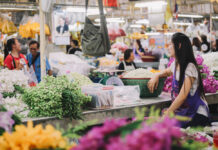
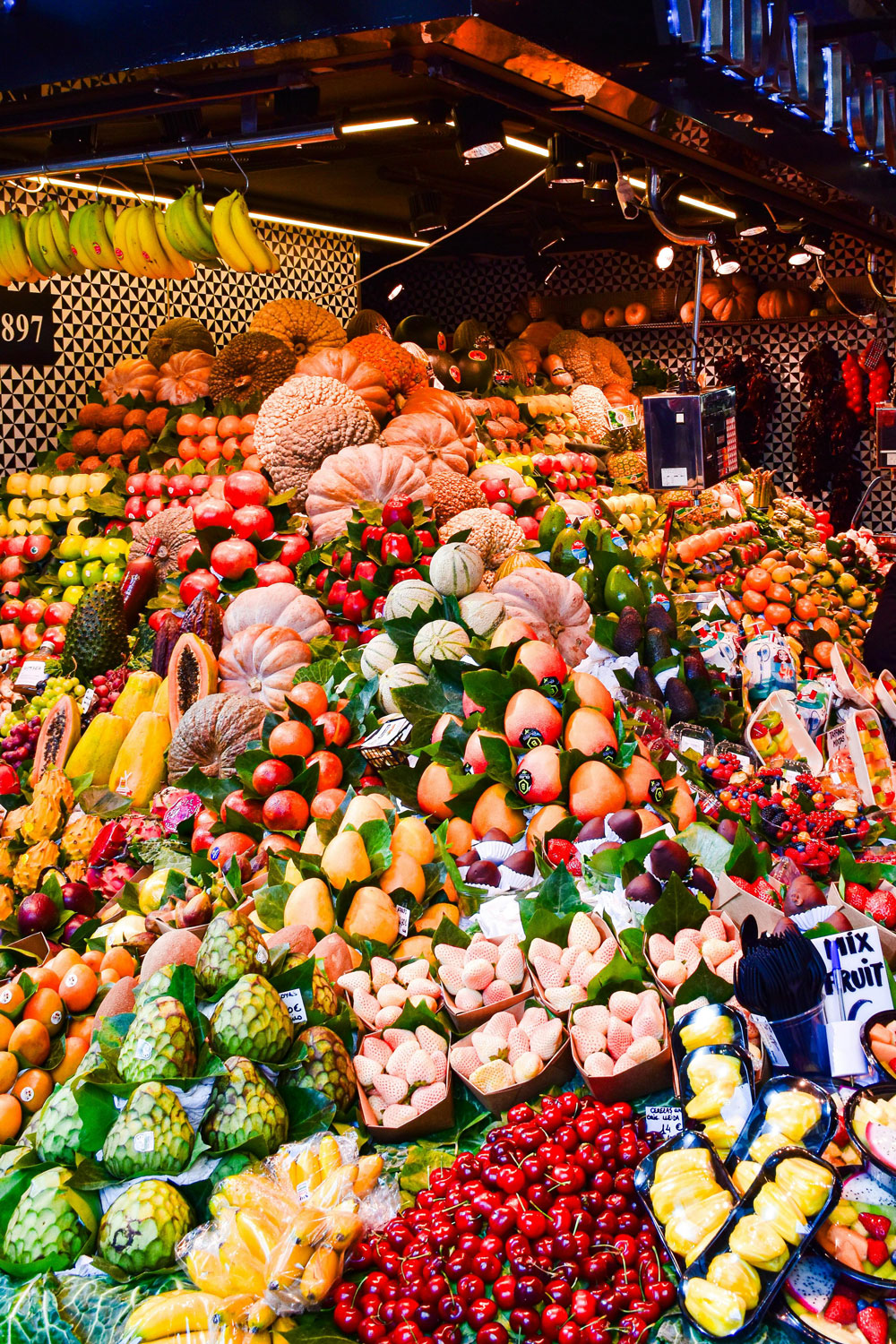 Later that morning, we make our way to Mercat de la Boqueria. The market is busy, as always. Visitors linger at the entrance, drawn to neatly arranged fruit juices and picture perfect displays. We keep walking. Deeper inside, where voices are louder and aisles narrower. Here, people don’t browse. They buy. We find a space at a counter. The man next to us orders without glancing at the menu. We hesitate, then point. Soon plates appear: croquettes, grilled fish and chilled glasses of white wine. “This is better,” one of us says. Because here, we’re not just observing. We’re part of it.
The pull of the iconic
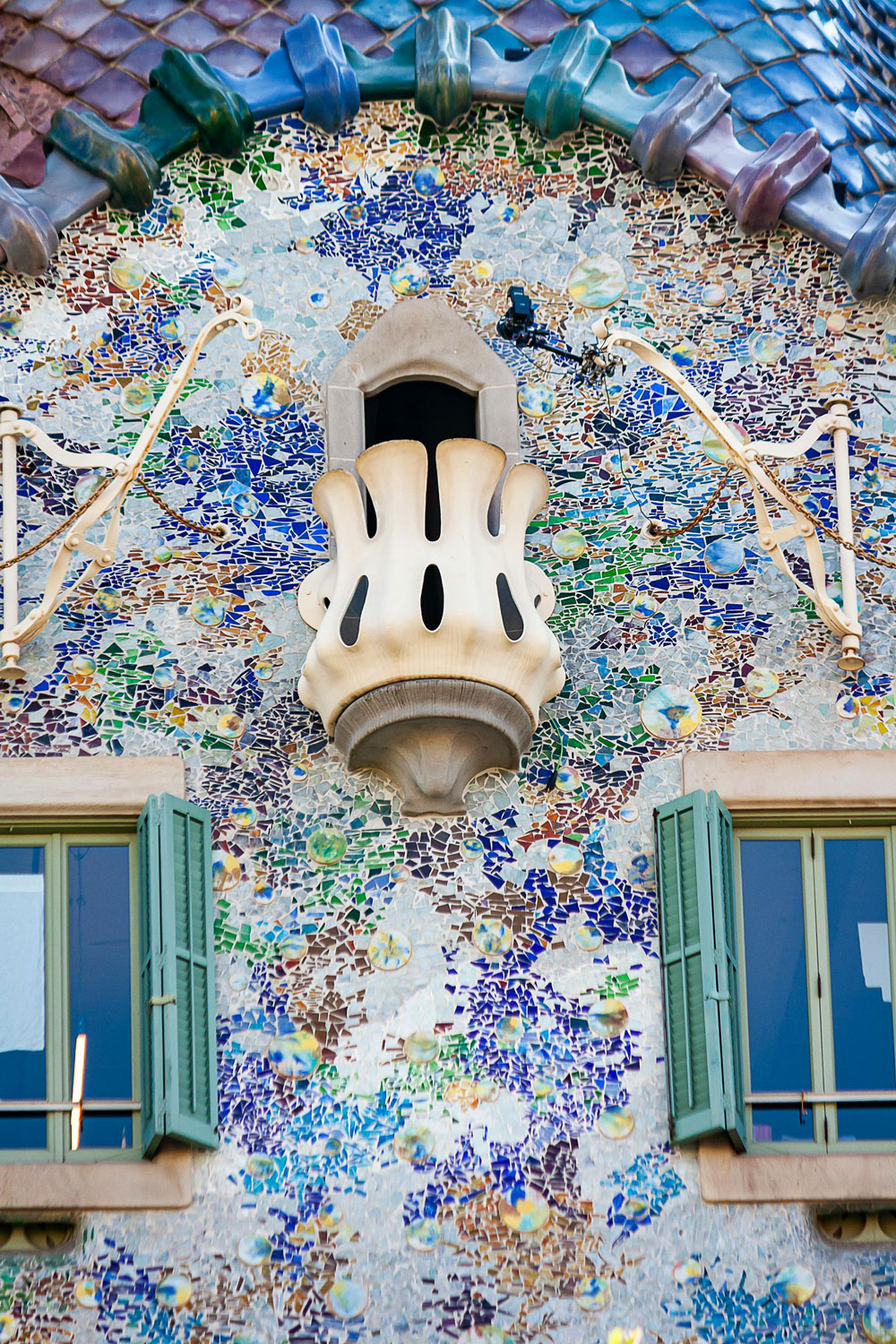 Still, it’s impossible to ignore the presence of Antoni Gaudi. His work threads through the city like a signature. We walk along the Passeig de Gràcia, where buildings seem to demand attention. In front of Casa Batlló, we stop. The façade appears to ripple. Tiles catching the light, balconies resembling masks. “It almost feels alive,” one of us says. Further along stands La Pedrera, its sculptural chimneys standing guard on the roof.
Eventually, we arrive at Sagrada Familia. Even now, amid the crowds, it remains extraordinary. Inside, light filters through stained glass, shifting slowly as we move. We stay quiet until we step back outside. Impressive, but it’s not why we stay. These places draw us here, but they are not what keeps us returning.
Towards the sea
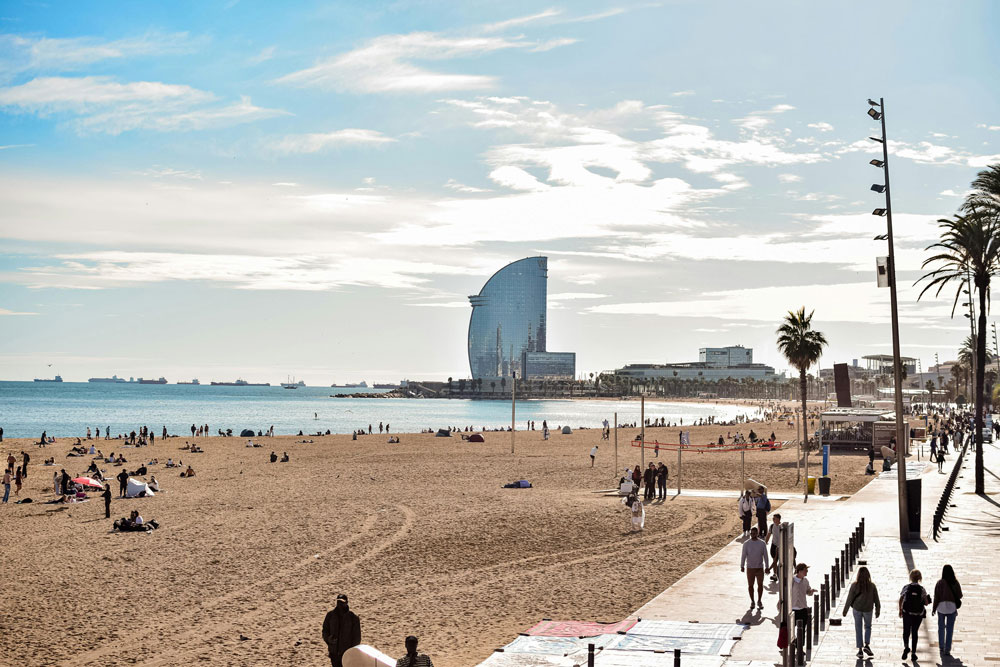
By midday, we head for the coast. The city opens up, the light changes. In Barceloneta, the pace softens. The streets are narrower than expected, the building simpler. Laundry hangs between balconies; doors are left half open. We wander without direction. Along port Vell, we sit on the edge of the quay. The water moves gently. A boy jumps in; his friend laugh. We can see why people linger here, but you have to choose your moment. Because the crowds are here too. Barceloneta is no secret. But even here, there are pockets of stillness, if you pause long enough.
A city in layers
Barcelona is not a single narrative but a patchwork. Gothic streets sit alongside Modernista fantasies and contemporary architecture. In El Born, we visit Palau de la Música Catalana, where colour and light seem to move through the building itself. Later, we stand before Barcelona Cathedral. In the cloister, geese wander noisily. It’s an unexpected detail that feels quietly significant.
We continue into the maze of the Barri Gòtic and inevitably lose our way. “This is better than knowing where you are,” one of us says. The other laughs. “This is where it happens.”
Eating to the rhythm of the day
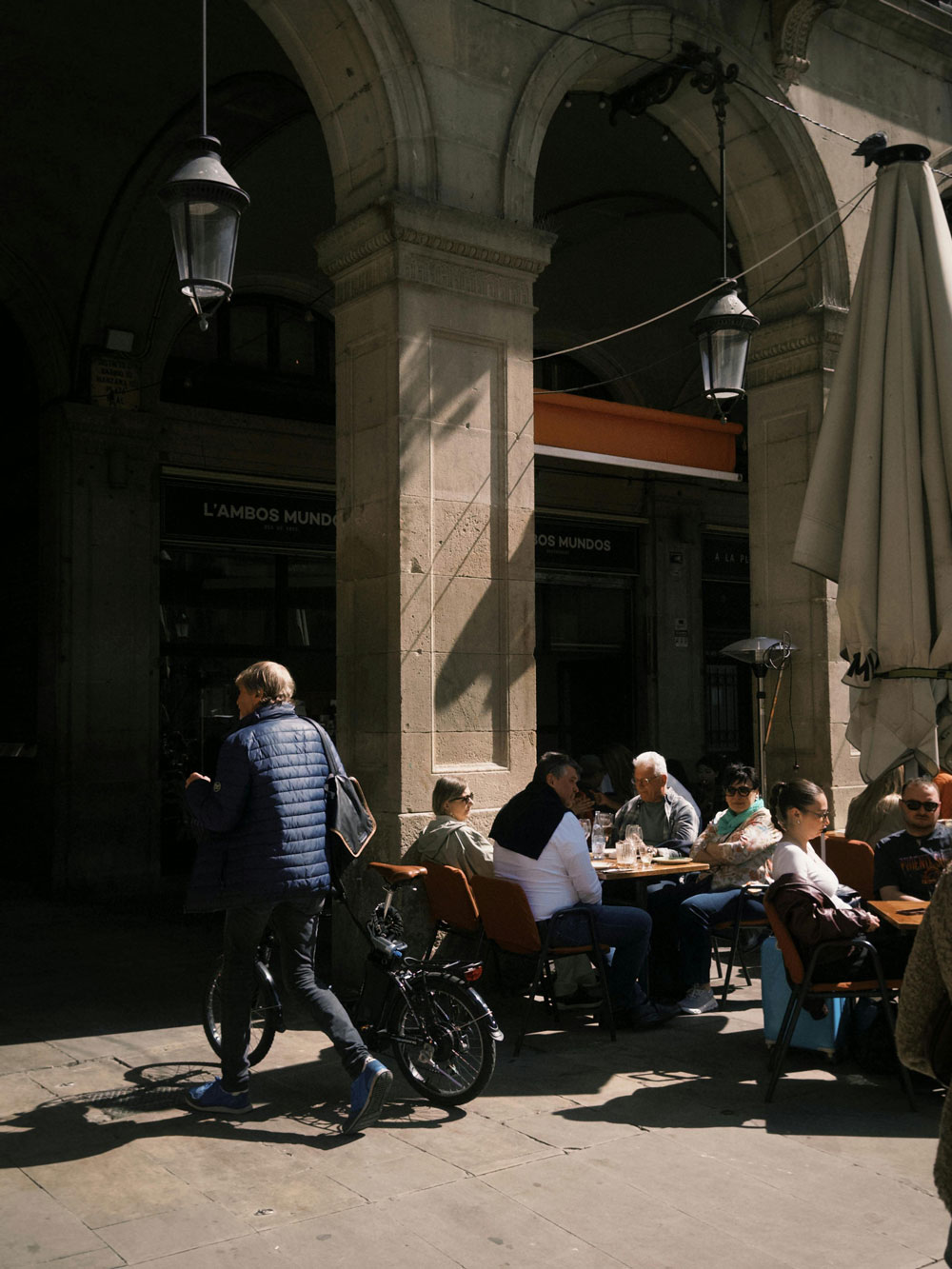 Food sets the tempo here. Not just what you eat, but when. At midday, we find a place like Tapas 24, where the pace is quick and the flavours immediate. We stand at the counter, watching plates move rapidly from kitchen to table. Later, in a quieter street, we eat at a family-run restaurant where no one seems in a hurry. The owner places a bottle of wine on our table without asking. “For you,” he says. ‘Take your time.” And we do.
At the weekend, the city reveals another side. On a square, people form human towers, building layer upon layer. Nearby, towering figures parade through the streets, accompanied by music. It doesn’t feel staged. It’s simply part of life here. Barcelona guards its identity carefully. You notice it in the language, in the rituals and in the way residents continue to inhabit their city despite everything that changes around them.
Why we return to Barcelona
One morning, we find ourselves back at a bar. Coffee, a glass of water. The same ritual as before. “What is it, exactly?” one of us asks. The other pauses, watching someone stroll past outside. Unhurried. “It’s that you don’t really have to be anywhere. And yet you’re everywhere.” We both nod. That’s it. Barcelona isn’t a place you tick off. It’s a city that reveals itself slowly, in layers and in moments. And perhaps that’s why we choose to spend part of our lives here. Not because we fully understand it, but because we keep returning to try.