How a Netflix drama led me back to the red heart of Australia
Watching Territory, the Netflix drama filmed across South Australia and the Northern Territory, I found myself transported back to a time when I travelled through Australia as a backpacker, chasing distance, work and something less easily defined. What began as a casual viewing quickly became something more visceral; a return to the dust, the silence and the immense and the humbling scale of the outback.
The series tells a heightened story of power, inheritance and conflict on a vast cattle station. But beneath the drama lies something unmistakably real. The land. The heat. The sense that here, more than almost anywhere else, nature still sets the terms.
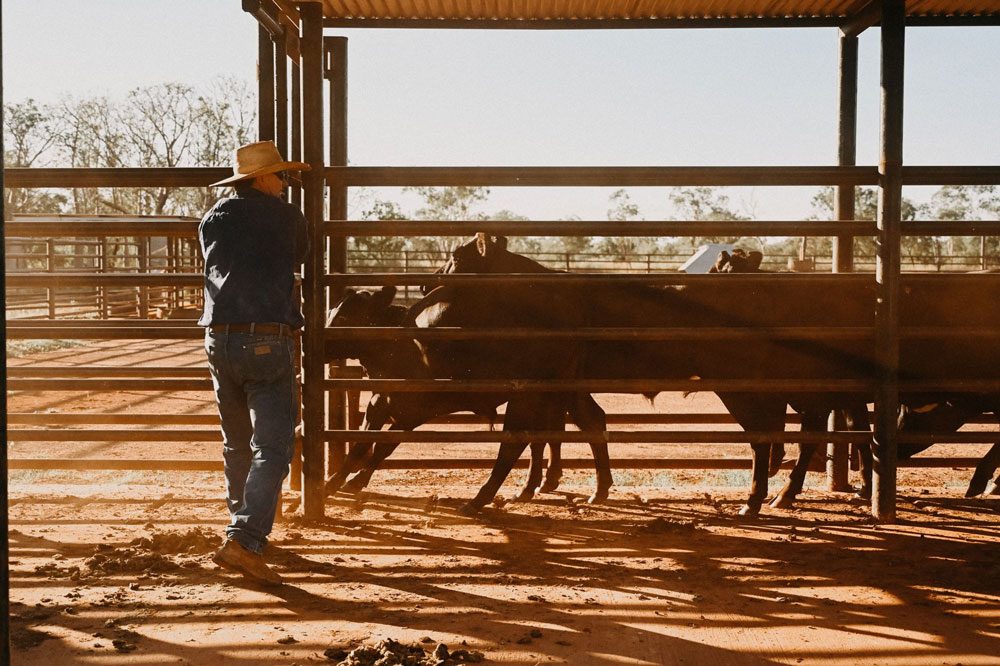
A landscape that commands respect
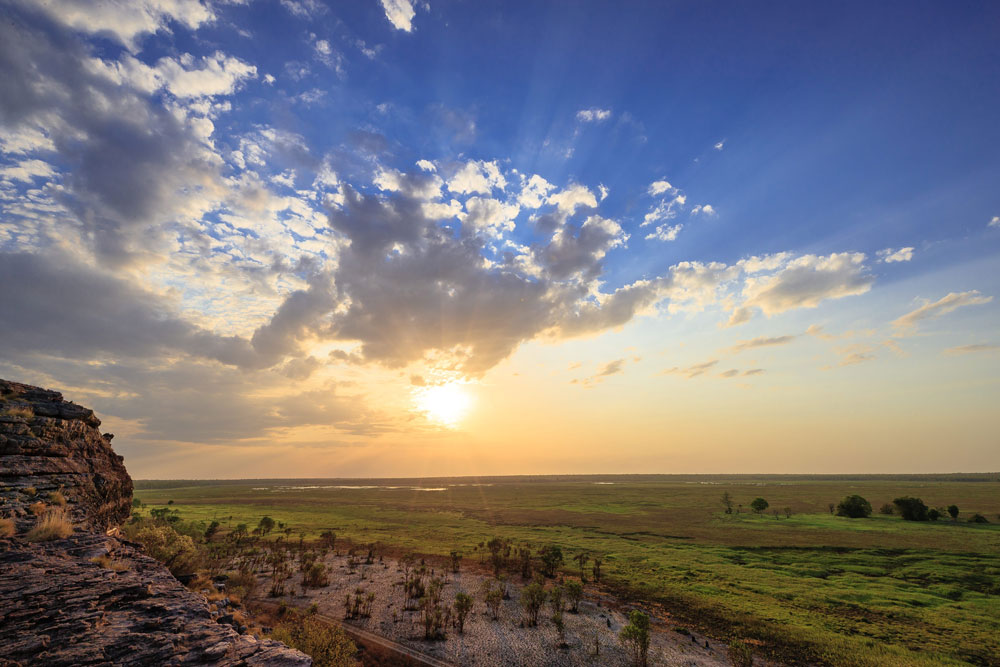
Australia’s Northern Territory and the remote reaches of South Australia are not easily captured in a single frame. They are places of scale and contrast; floodplains and escarpments, savannah and scrub, all stretching towards horizons that feel almost abstract in their distance.
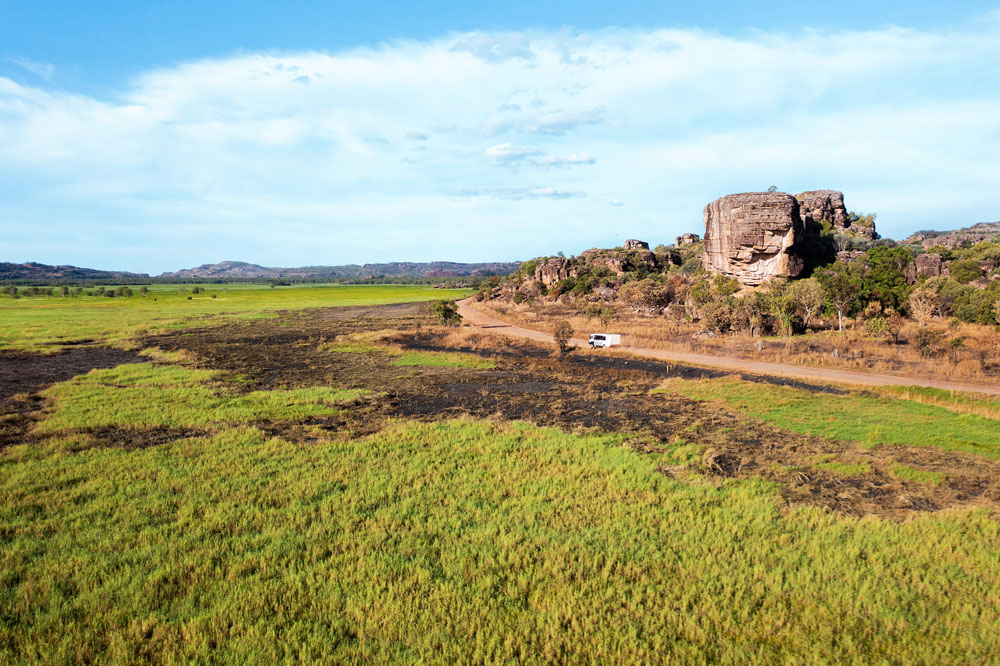
In the “Top End”, the tropical north around Darwin, wetlands pulse with life, especially during the wet season, when monsoon rains transform the land into a shifting mosaic of water and green. Further south, the landscape hardens into something more austere: red earth, sparse vegetation and a silence that seems to absorb sound rather than carry it.
It is this sense of space that Territory captures so well. Aerial shots sweep across cattle stations so vast they require helicopters to traverse. These are not farms in any conventional sense; they are territories in their own right. Self-contained worlds where logistics, labour and survival are constant considerations.
Watching those scenes, I was struck by how little had changed.
Life on the station
In my early twenties, I spent several months working on a remote cattle station, not unlike those depicted in Territory. It was work I had fallen into almost by accident: a conversation, a lift, a chance opportunity, but it became one of the most formative experiences of my travels.
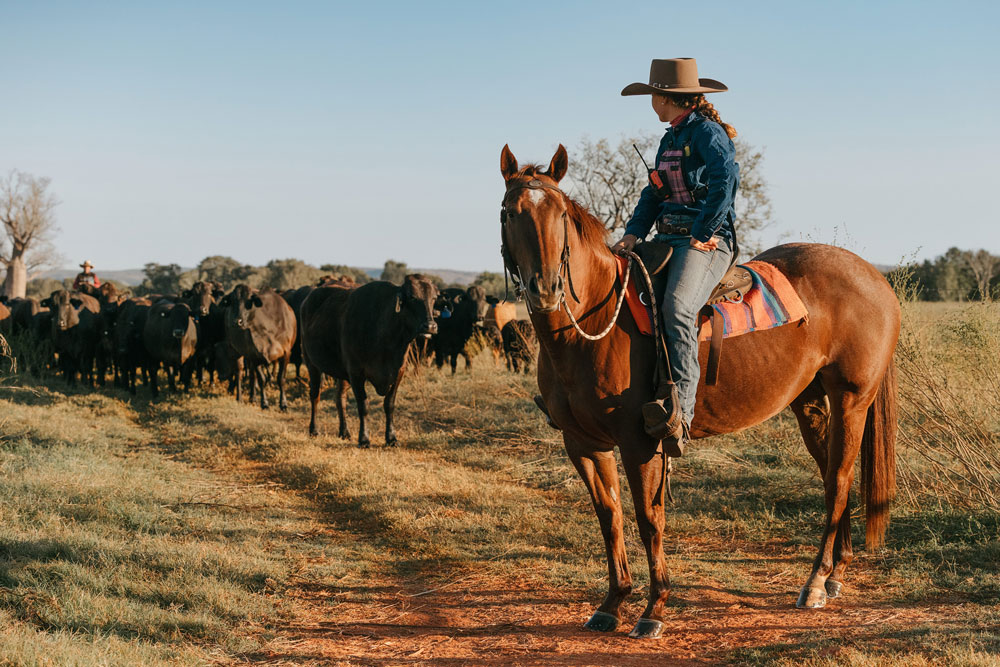
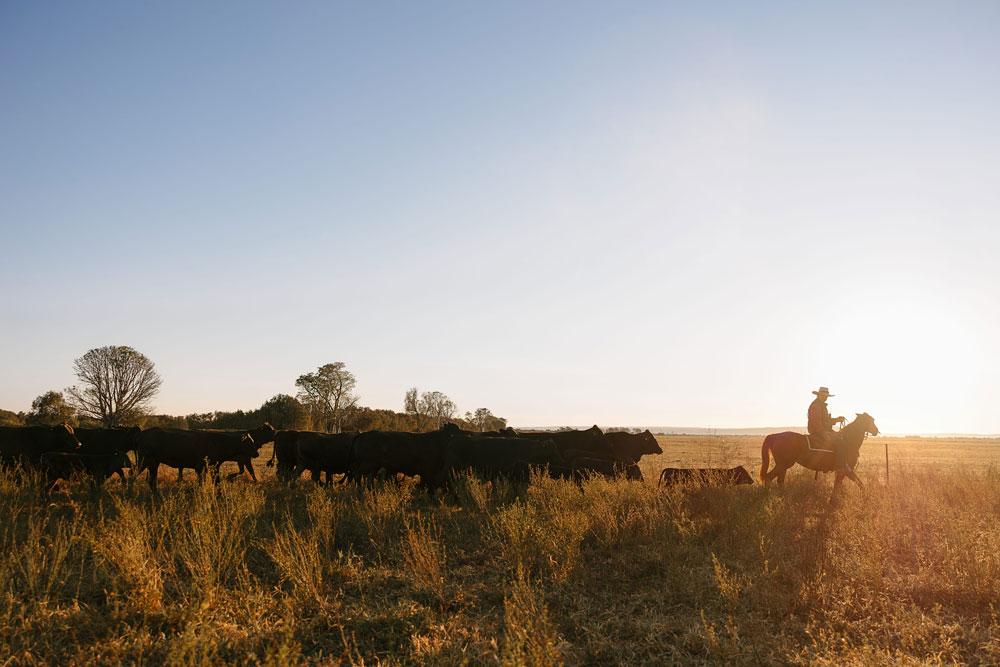
Days began before sunrise. There was no slow start, no easing into the rhythm. Work was immediate and physical: repairing broken fences, checking water points, moving cattle across distances that seemed, at first, incomprehensible.
Fencing alone could take days. Wire snapped under pressure, posts shifted in the heat-hardened ground and entire sections would need replacing. Under a relentless sun, with flies gathering at the corners of your eyes, the work demanded focus and endurance. And yet, there was a strange satisfaction in its simplicity. The task was clear. The outcome visible.
Distances redefined your sense of scale. A “nearby” paddock might take an hour to reach. Supplies arrived intermittently. Weather dictated everything.
What Territory portrays: the isolation, the intensity, the reliance on a tight-knit group of people, is not exaggerated. If anything, it is softened for the screen.
Campfire evenings
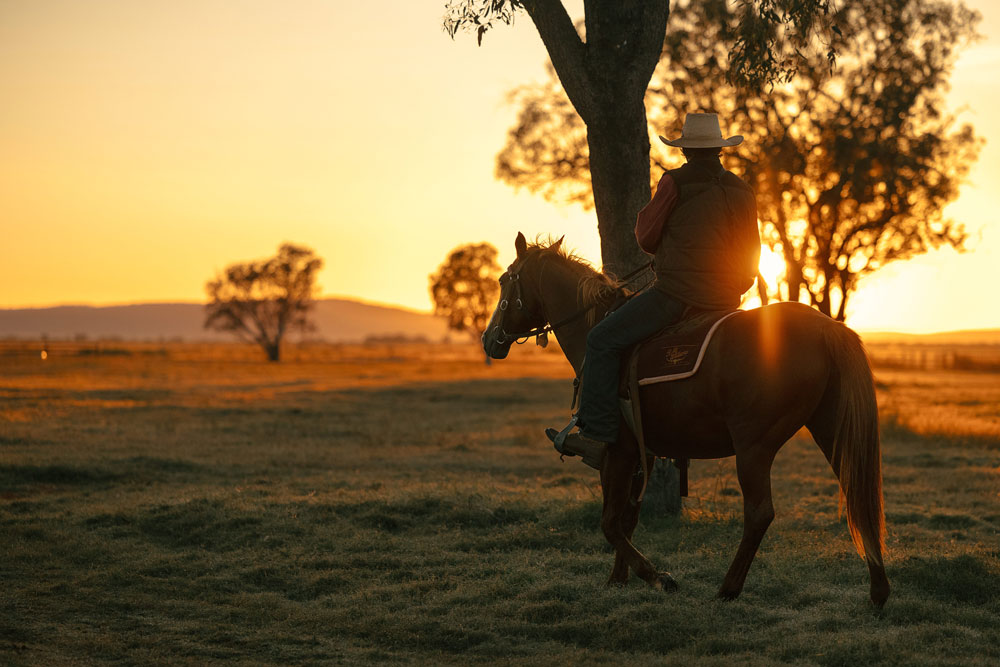
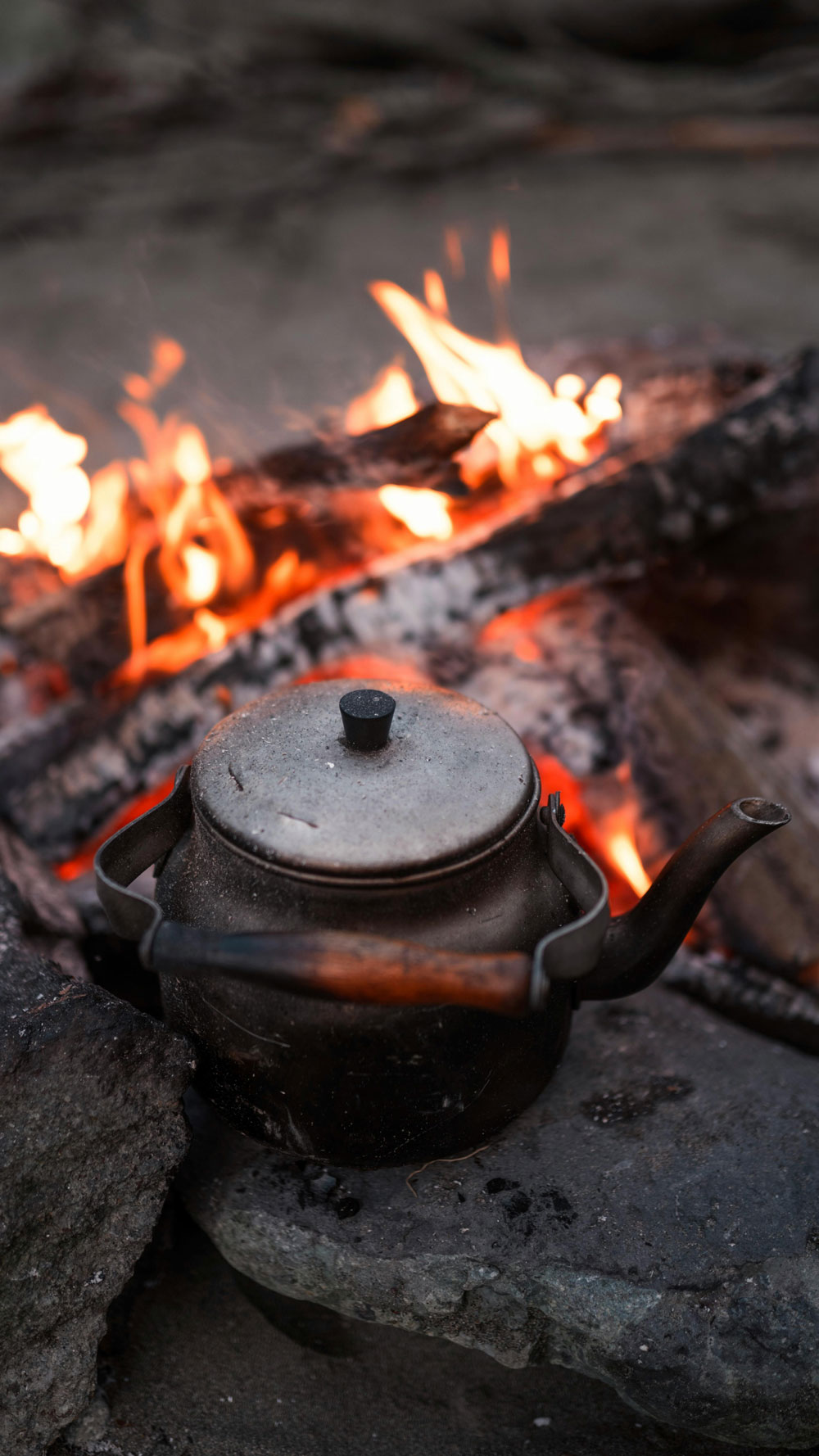 By late afternoon, the heat would begin to loosen its grip. Shadows lengthened, and the station shifted into a quieter register. Evenings were marked not by schedules, but by light.
We gathered around a campfire – sometimes planned, often improvised – cooking simple meals, sharing stories that grew more elaborate with each retelling. There was laughter, but also long stretches of quiet, where conversation gave way to the sound of wood cracking in the fire.
Out here, away from distraction, time expands. You notice things you would otherwise overlook: the colour of the sky as it fades, the gradual cooling of the air, the way darkness arrives not all at once, but in layers.
It is a rhythm that stays with you.
Sleeping under a sky without edges
And then there were the nights. I slept in a swag. A canvas bedroll that, in its simplicity, felt perfectly suited to the environment. No tent, no barrier. Just a thin layer between you and the land. The first night, it felt exposed. By the third, it felt essential.
The silence of the outback is often described, but rarely understood until experienced. It is not the absence of sound, but the absence of intrusion. The low hum of insects, the distant call of a dingo and the occasional movement in the scrub. These are not disturbances, but part of a larger stillness.
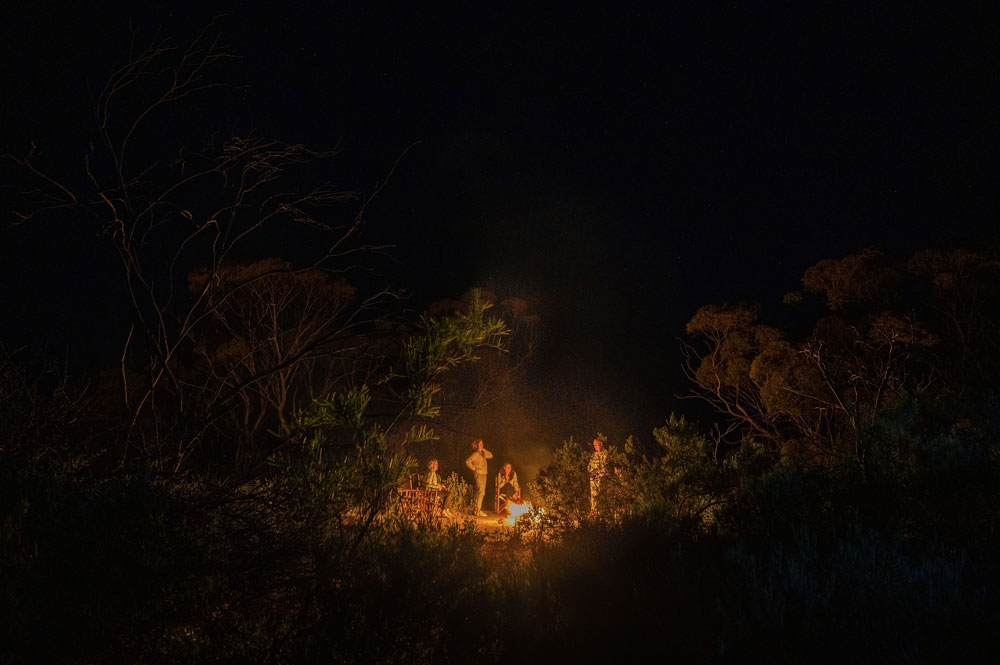
Above, the sky was overwhelming. The Milky Way stretched in startling clarity, a dense scatter of light uninterrupted by artificial glow. It was not simply beautiful; it was disorienting in its scale.
At dawn, the world returned gradually. Light edged across the horizon, revealing shapes that had been hidden in darkness. More than once, I woke to find kangaroos grazing nearby; quiet, watchful, perfectly at ease in a landscape that still felt, to me, vast and unknowable.
These were small moments, but they carried weight. They recalibrated something. A sense of pace, of proportion.
An ancient country
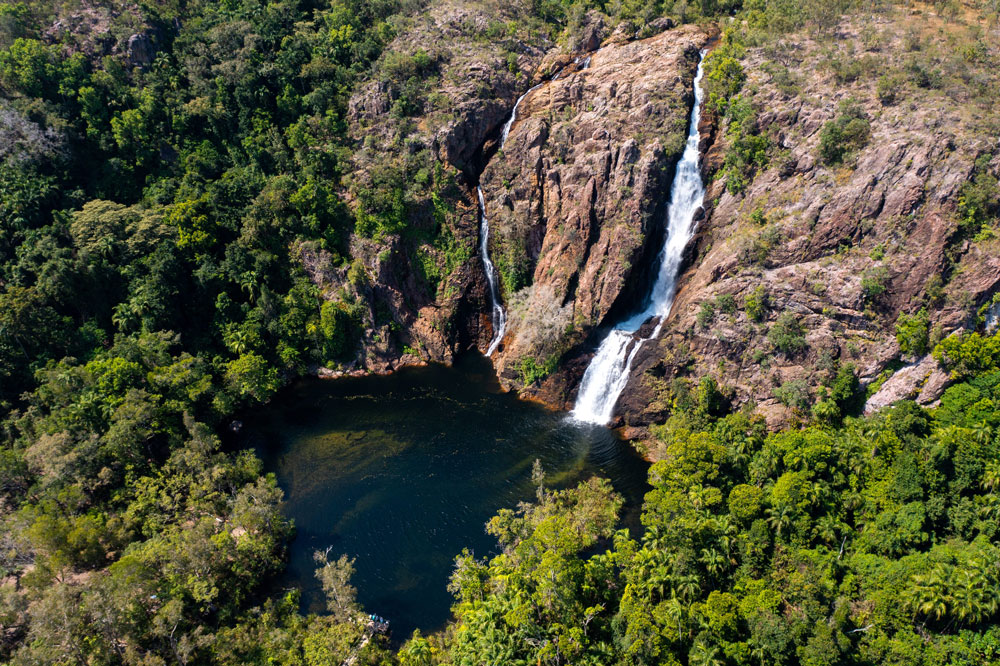
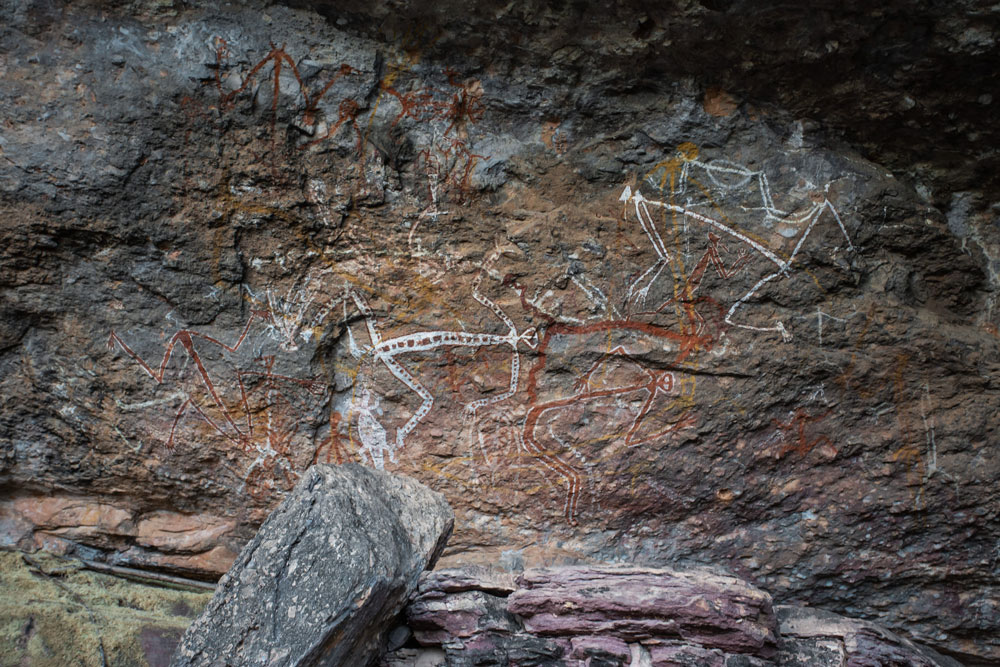
Among the locations featured in Territory is Kakadu National Park, a place that embodies the depth and complexity of this region. A UNESCO World Heritage site, Kakadu is both ecologically rich and culturally profound, home to landscapes and stories that extend back tens of thousands of years.
Visiting it, you become aware, subtly but unmistakably, that this is not empty land. It is layered with meaning. Rock art sites, some among the oldest in the world, offer glimpses into a continuous human presence that predates modern history by millennia.
In Territory, the tension between land use, ownership and heritage is a central theme. While dramatised, it reflects real conversations; about stewardship, identity and the competing demands placed on this vast and resource-rich part of Australia.
From screen to reality
Territory was filmed across a range of striking locations in both the Northern Territory and South Australia, grounding its drama in real, often remote landscapes. Key sites include Tipperary Station, a vast working cattle station that stands in for the fictional Marianne. Tipperary lies near the Douglas and Daily Rivers, in a region defined by tropical savannah, wetlands and towering termite mounds. The station borders areas of significant ecological value, with habitats supporting wallabies, birdlife and reptiles. A reminder that these pastoral landscapes are also part of a rich and delicate ecosystem.
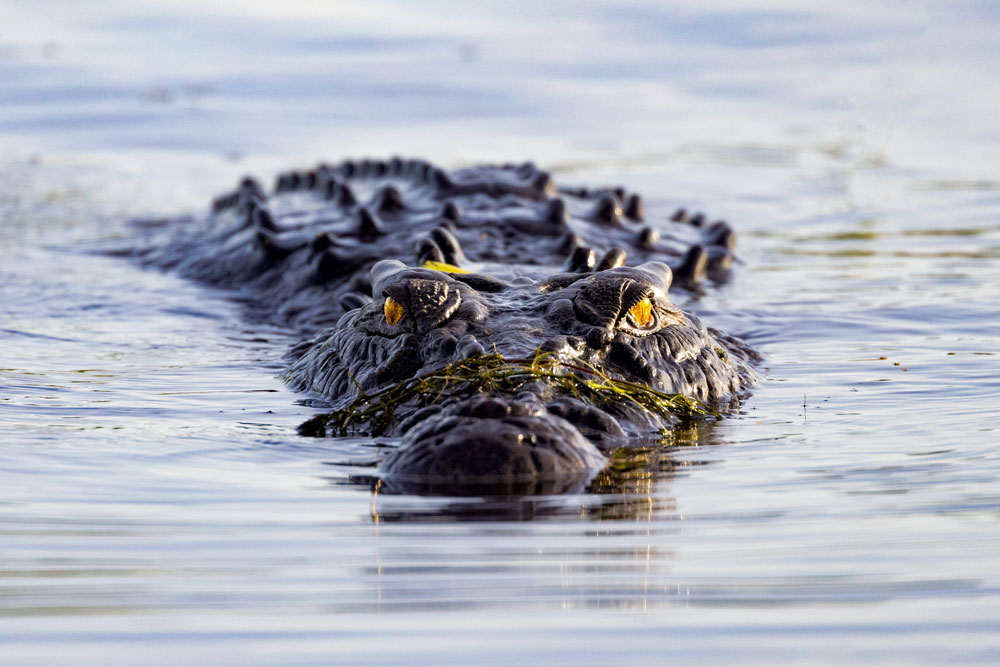
Filming also took place in the wetlands and escarpments of Kakadu National Park, as well as near the small town of Mallala. Together, these locations showcase the scale and rugged beauty of the Australian outback. A landscape that is not merely a backdrop, but a defining force within the story itself.
The practicalities of remoteness
For travellers inspired by Territory, the Northern Territory offers a range of ways to engage with this landscape. Though not without effort.
Darwin serves as the gateway to the Top End, with access to Kakadu and Litchfield National Parks.
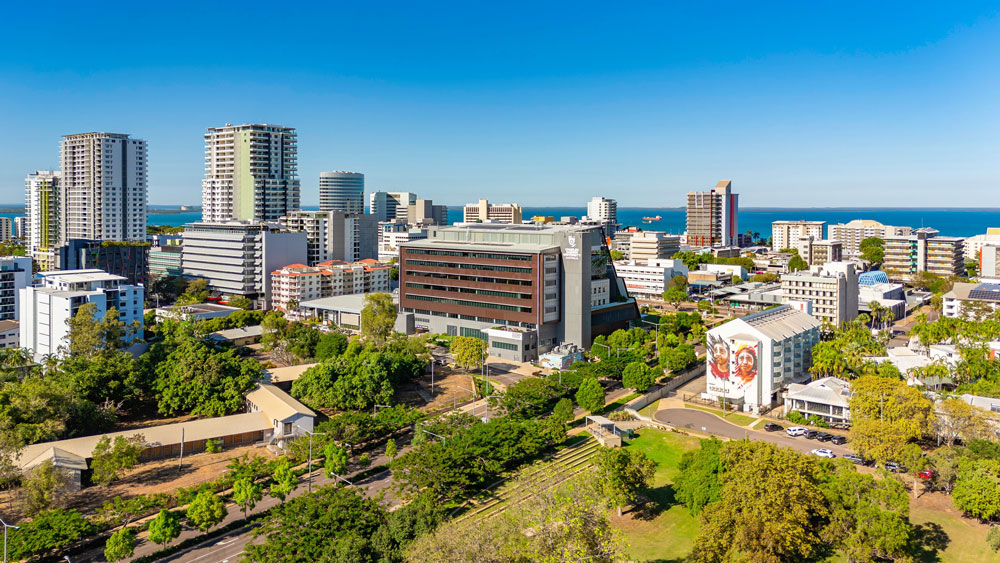
The dry season (roughly May to October) is generally the most accessible time to visit, with cooler temperatures and open roads. The wet season, by contrast, brings dramatic transformation – flooded plains, swollen rivers – but also isolation.
Further afield, some cattle stations offer stays or guided experiences, providing a glimpse into station life. These are not curated, luxury encounters in the traditional sense. They are, at their best, an invitation into a working environment. One that demands respect, curiosity and adaptability.
Distances remain significant. Planning is essential. But for those willing to embrace the scale, the rewards are considerable.
What stays with you
Watching Territory, I expected to be entertained. I did not expect to be transported.
The series captures something that is difficult to articulate: the emotional weight of the outback. Not just its beauty, but its presence. Its ability to strip things back. To essentials, to fundamentals. In a way that few places can.
For those who have never been, it offers a compelling invitation. For those who have, it may stir something more personal. Because the outback does not simply fade into memory. It lingers in the rhythm of your thoughts, in your sense of distance and in the way you remember silence.
Some journeys are measured in miles. Others, in the space they leave behind.